Digital marketing strategies that make you shine

Digital marketing strategies

Welcome to the wild and wacky world of digital marketing strategies, where success is just a click away and cat videos are the secret weapon! Let’s face it: In this digital jungle, if you’re not shouting your brand’s name into the void, are you even living? Fear not, brave marketer, for in this rollercoaster of pixels and profits, we’ll uncover the secrets of crafting a strategy that even your grandma would approve of!

Digital marketing strategies are like the Swiss Army knives of the business world—versatile, essential, and occasionally used to slice through a tough dilemma. They encompass everything from social media shenanigans to email escapades, ensuring your brand doesn’t just exist but thrives in the vast online cosmos. You’ll learn about the necessary components and channels that can turn your marketing efforts from zero to hero in no time!

Understanding Digital Marketing Strategies

Digital marketing strategies are like the treasure maps of the online jungle, guiding businesses through the wild and wonderful world of the internet. In this digital age, where attention spans are shorter than a TikTok video, having a solid strategy is essential for any business eager to connect with their target audience. It’s not just about shouting into the void; it’s about crafting messages that resonate, engage, and convert.An effective digital marketing strategy is a well-oiled machine, comprising multiple components that work in harmony to achieve business goals.

From understanding your audience to leveraging the right tools and channels, each piece is crucial. Without these components, your marketing efforts may resemble a ship lost at sea, lacking direction and purpose.

Components of an Effective Digital Marketing Strategy

A successful digital marketing strategy involves several fundamental components that ensure a coherent approach to reaching customers. Understanding these parts helps in crafting a strategy that is not only effective but also efficient in driving results.

  • Target Audience Analysis: Identifying who your customers are is the first step in any marketing strategy. Knowing their demographics, interests, and behaviors is like having a cheat sheet for the exam of consumer understanding.
  • Goal Setting: Clearly defined goals provide direction. Whether it’s increasing brand awareness, generating leads, or boosting sales, setting smart goals is crucial for measuring success.
  • Content Strategy: Content is king (or queen, we don’t discriminate). A well-planned content strategy involves creating valuable, relevant content that speaks to your audience’s needs and interests, much like a well-timed joke at a party—everyone loves it!
  • Optimization: Search Engine Optimization helps businesses improve their visibility online. Think of it as putting on your best outfit before heading out; you want to look good and catch everyone’s eye!
  • Social Media Presence: Engaging with customers on social media platforms is essential. Just like a good friend who always shares the latest gossip, being active on social media keeps your brand in the conversation.
  • Analytics and Reporting: Monitoring performance through analytics allows businesses to understand what works and what doesn’t. It’s like having a personal trainer for your marketing strategy—always checking in to make sure you’re on the right track.

Common Digital Marketing Channels and Their Uses

Exploring the various channels helps businesses choose the right platforms to connect with their audience. Each channel has unique features that can cater to different marketing goals and target audiences.

  • Search Engines: Utilizing Google Ads and to appear in search results is crucial for capturing potential customers actively looking for products or services.
  • Social Media: Platforms like Facebook, Instagram, and Twitter provide opportunities for engagement and brand awareness. They allow businesses to showcase their personality and connect in a more human way.
  • Email Marketing: This channel remains one of the most effective for reaching customers directly. Think of it as sending a personalized invitation to your brand’s party, making the invitee feel special.
  • Content Marketing: Blogs, videos, podcasts, and infographics are excellent tools for attracting and engaging potential customers. They serve to educate your audience while also building brand authority.
  • Affiliate Marketing: Collaborating with influencers or partners can expand your reach. It’s like having a trusted friend vouch for you in a crowded room.

“A great digital marketing strategy is like a well-baked cake: all the ingredients must come together for it to rise to the occasion!”

Implementing Effective Digital Marketing Techniques

Digital marketing strategies

In the fast-paced world of digital marketing, navigating through the labyrinth of strategies can feel like trying to find a Wi-Fi connection in a remote forest—frustrating and often fruitless. However, fear not, for we are about to embark on a thrilling journey that will equip you with the tools to craft a kick-butt digital marketing plan, harness the power of social media, and use email marketing like a pro.

Let’s get those marketing engines revving!

Creating a Digital Marketing Plan

A well-structured digital marketing plan is your roadmap to success, guiding you through the wild terrain of online promotion. Here’s how to create one step-by-step, ensuring you don’t end up lost in the digital wilderness.

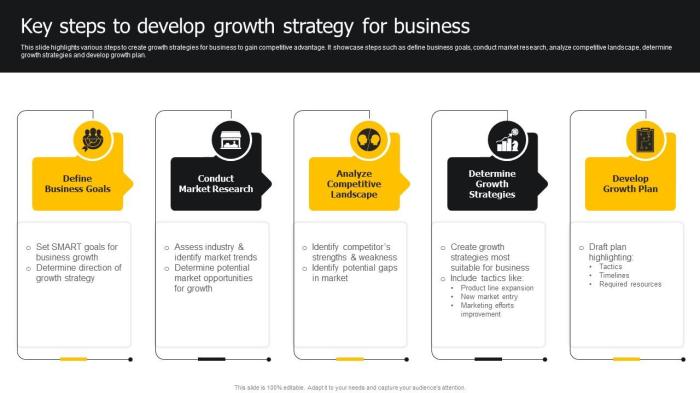
  1. Define Your Goals: Start by identifying what you want to achieve. Whether it’s increasing brand awareness, generating leads, or boosting sales, your goals should be as clear as a freshly cleaned window.
  2. Understand Your Audience: Conduct market research to know your audience inside out. Create customer personas that embody the traits of your ideal customers—age, interests, and where they hang out online.
  3. Analyze Competitors: Peek at what your competitors are doing. Tools like SEMrush or Ahrefs can help you understand their strategies, so you can find gaps and opportunities to swoop in like a digital superhero.
  4. Choose Your Channels: Based on your goals and audience, select the right digital channels—be it social media, email, or content marketing. Think of it as choosing the best vehicle for your journey; you wouldn’t take a bicycle to a car race!
  5. Set a Budget: Determine your budget for each channel and prioritize your spend. Remember, even the most impressive marketing plan can’t outrun a budget that’s run dry.
  6. Develop a Content Strategy: Content is king (or at least a very important duke). Artikel what types of content you’ll create, when you’ll publish them, and how they connect to your goals.
  7. Measure and Adjust: Finally, set KPIs to track your performance. Use analytics tools to measure results and be ready to pivot your strategy like a pro dancer at a wedding.

Leveraging Social Media Platforms

Social media is the bustling city square of the digital age, where brands mingle with consumers, and connections are made. To enhance your brand visibility, it’s essential to engage strategically. Here’s how to use social media effectively.

“Social media is not just an activity; it is an investment of valuable time and resources.”

Engaging with your audience on social media can be approached through several methods:

  • Consistent Branding: Ensure that your brand’s voice and aesthetics are consistent across platforms. This builds recognition, like a favorite TV show that you just can’t quit.
  • Create Shareable Content: Develop content that resonates with your audience—think memes, infographics, and engaging videos. The more shareable, the more your brand spreads like butter on warm toast!
  • Utilize Paid Advertising: Social media platforms offer targeted advertising options that can help you reach wider audiences. Invest wisely, and watch your small ad budget act like a magician pulling rabbits out of hats.
  • Engagement is Key: Respond to comments, messages, and reviews promptly. Acknowledging your audience makes them feel valued and turns followers into loyal fans, like your favorite celebrity who responds to your tweets!
  • Collaborate with Influencers: Partnering with influencers can amplify your brand’s reach. Choose influencers who align with your brand’s values so you don’t end up with someone who thinks “healthy living” means eating kale-flavored ice cream.

Using Email Marketing Effectively

Email marketing remains a powerful tool in the digital marketing toolkit. When done right, it can engage customers and drive conversions faster than a cat chasing a laser pointer. Here’s how to make the most out of your email campaigns.

“Email marketing is the only digital channel that delivers an ROI of up to 4400%.”

Engagement through email can be enhanced through several techniques:

  • Segment Your Audience: Divide your email list into segments based on interests, behaviors, or demographics. This ensures your messages hit the right people at the right time, like a well-timed punchline in a comedy show.
  • Personalization is Powerful: Use your subscribers’ names and tailor content to their interests. Personalization can make your emails feel like a cozy conversation rather than a sales pitch.
  • Craft Compelling Subject Lines: Your subject line is your first impression. Make it catchy and intriguing enough to entice readers to open your email, like a movie trailer that leaves you on the edge of your seat!
  • Include Clear CTAs: Every email should have a clear call to action (CTA). Whether it’s “Shop Now,” “Learn More,” or “Join the Fun,” make it prominent and entice your audience to take action.
  • A/B Testing: Experiment with different email formats, subject lines, and content to see what resonates best with your audience. It’s like a taste test for your marketing efforts—find out what flavors they love!

Measuring and Analyzing Digital Marketing Performance

In the whimsical world of digital marketing, measuring performance is akin to trying to count the number of jellybeans in a jar—tricky, yet incredibly rewarding when done right! Metrics are your trusty sidekicks, guiding you through the jungle of data and revealing whether your marketing campaigns are soaring like an eagle or flopping like a fish out of water. Let’s dive into the metrics and tools that help you assess your marketing prowess, and explore how data analytics can refine your strategies, making your digital marketing efforts as sharp as a tack!

Key Metrics for Success Assessment

Understanding which metrics matter is crucial for evaluating your digital marketing performance. These metrics will help you navigate your campaigns with the precision of a surgeon:

  • Conversion Rate: This metric tells you what percentage of your visitors actually complete the desired action, like signing up for a newsletter or making a purchase. A high conversion rate is a good sign that your marketing efforts are hitting the target!
  • Click-Through Rate (CTR): The percentage of people who click on a link in your email or ad. Think of it as a popularity contest; the higher the CTR, the more appealing your content is!
  • Return on Investment (ROI): A vital metric that calculates the profit made from your marketing efforts compared to what you spent. If ROI were a superhero, it would be the one wearing a cape made of dollar bills!
  • Customer Acquisition Cost (CAC): The cost of gaining a new customer. This metric helps you evaluate whether your marketing strategies are budget-friendly or if you’re throwing money down the drain.

Data Analytics for Campaign Optimization

Data analytics is the secret sauce that takes your digital marketing campaigns from bland to grand. By diving into the treasure trove of data, you can uncover valuable insights that will help you refine your efforts:

  • Segmentation: By analyzing customer data, you can create targeted campaigns that resonate with specific audiences. For instance, if you discover that cat lovers are your biggest fans, you might want to target them with adorable feline-themed promotions!
  • A/B Testing: This technique involves comparing two versions of a marketing asset to see which one performs better. It’s like a friendly competition between the two, where the winner gets to bask in the glory of higher conversions!
  • Predictive Analytics: Using historical data to forecast future outcomes can be a game-changer. For example, if you notice that sales spike during the holiday season, you can prepare campaigns in advance to capitalize on that trend.

Comparison of Measurement Techniques

When it comes to measuring digital marketing performance, there are various techniques, each with its own strengths. Here’s a side-by-side comparison of some of the most popular approaches:

Technique Pros Cons
Google Analytics Comprehensive data tracking and insights Can be complex for beginners
Social Media Insights Real-time engagement metrics Limited to social platforms
Email Marketing Metrics Specific to email campaigns, easy to track Doesn’t account for overall customer journey
CRM Data Holistic view of customer interactions Requires proper setup and maintenance

“What gets measured gets improved.” – Peter Drucker

In the end, measuring and analyzing your digital marketing performance is not just about crunching numbers; it’s about transforming that data into actionable strategies that propel your business forward. So grab your metrics and your data analytics tools, and get ready to unleash your marketing superpowers!

Concluding Remarks

Digital marketing strategies

So, there you have it! You’ve journeyed through the enchanting realm of digital marketing strategies, armed with knowledge that will help you conquer the digital landscape. Remember, every click, like, and share counts towards building the empire of your dreams. Now go forth, wield your newfound wisdom, and let your brand’s story unfold across the internet like a masterpiece waiting to be shared!

Essential Questionnaire

What are the key components of a digital marketing strategy?

The key components include content creation, social media engagement, email marketing, , and performance analytics.

How can I measure the success of my digital marketing efforts?

You can measure success using metrics like website traffic, conversion rates, social media engagement, and ROI.

What is the importance of social media in digital marketing?

Social media boosts brand visibility, fosters customer engagement, and provides valuable insights into audience preferences.

How often should I update my digital marketing strategy?

Regularly! Ideally, review and tweak your strategy every quarter or when major changes occur in your business or market.

Can small businesses benefit from digital marketing strategies?

Absolutely! Digital marketing levels the playing field, allowing small businesses to compete with larger ones through targeted and cost-effective strategies.

Passive income ideas that make your money work while you snooze

Passive income ideas

Welcome to the realm of Passive income ideas, where your bank account can grow fatter while you binge-watch your favorite series or perfect your pizza-flipping skills. Imagine earning money while you nap—sounds like a fairy tale, right? Well, grab your magic wand (or, you know, a laptop) because we’re about to explore how you can unlock those elusive streams of income that flow like a lazy river on a sunny day.

From dabbling in real estate and creating digital products to crafting online courses, the possibilities are as endless as your uncle’s dad jokes. So, whether you’re a seasoned entrepreneur or just getting started, this guide is packed with ideas to help you earn while you dream.

Popular Passive Income Ideas

Imagine waking up, stretching, and realizing that your bank account didn’t just get a little heavier overnight—it got a whole lot heavier! Welcome to the magical world of passive income, where your money works harder than a caffeinated squirrel on a treadmill. Let’s dive into some of the most popular ways to earn passive income, ensuring that your wallet dangles like a piñata at a child’s party, ready to burst with goodies without you lifting a finger.Passive income streams come in all shapes and sizes, with some requiring just a sprinkle of effort upfront and others needing a bit more elbow grease.

Here’s a snapshot of some methods that might just turn your financial dreams into reality, one dollar at a time.

Methods of Earning Passive Income

To embark on your journey into passive income land, familiarize yourself with these well-trodden paths that successful entrepreneurs have taken:

  • Real Estate Investments: Purchasing rental properties can yield consistent income. Think of it as a money tree that needs occasional watering but blossoms beautifully with monthly rent checks.
  • Dividend Stocks: Investing in stocks that pay dividends allows you to sit back and watch your money grow. It’s like planting seeds that bloom into cash flowers every quarter.
  • Peer-to-Peer Lending: By lending money to individuals or small businesses through online platforms, you earn interest, making you the benevolent money wizard of your community.
  • Creating Digital Products: E-books, printables, or even apps can generate income long after you’ve finished creating them. It’s like writing a bestselling novel but without the fan mail!

Successful Passive Income Streams

Various entrepreneurs have mastered the art of passive income with methods that could inspire even the laziest of cats:

  • Pat Flynn: With his Smart Passive Income brand, Pat has turned blogging into a full-time gig. His courses and e-books continue to generate income while he enjoys a nice cup of coffee.
  • Robert Kiyosaki: Known for his book “Rich Dad Poor Dad,” Kiyosaki has made millions through real estate investments, proving that property is indeed a great way to earn while you snooze.
  • Michelle Schroeder-Gardner: Through her blog, “Making Sense of Cents,” Michelle has created various online courses that have helped her accrue a passive income that rivals some traditional jobs.

Creating an Online Course as a Passive Income Source

Crafting an online course is like turning your expertise into an income-generating machine. It’s not just about sharing knowledge; it’s about packaging it into a shiny box of wisdom that people are willing to pay for. Here’s a step-by-step plan to get you started:

1. Identify Your Niche

Choose a subject you’re passionate about and that has a market. More importantly, ensure it’s something you can talk about for hours without droning on like a bedtime story gone wrong.

2. Create Compelling Content

Develop engaging lectures, videos, and quizzes. Use humor and real-life examples to keep your audience entertained. Nobody wants a course that feels like a history lesson on bureaucracy.

3. Choose the Right Platform

Platforms like Teachable or Udemy can help you host your course. Think of them as the friendly neighborhood coffee shop where you can serve your knowledge latte to eager learners.

4. Market Your Course

Utilize social media, email lists, and strategies to promote your course. Remember, you’re not just selling a course; you’re inviting others into your expertise extravaganza!

5. Automate and Update

Once your course is live, automate email sequences and update content as needed. It’s like setting a timer for baking cookies—just let it run while you sip a margarita by the pool!By following these guidelines, you can set up a passive income stream that not only educates others but also pads your bank account while you binge-watch your favorite series!

Real Estate Investment

Investing in rental properties is like finding a golden goose that lays eggs on a regular basis—who wouldn’t want that? Not only does it provide a steady stream of passive income, but it also allows you to build equity, diversify your portfolio, and potentially enjoy some sweet tax benefits. While flipping houses can make for great reality TV, rental properties deliver the long-term financial rewards that every aspiring landlord dreams of.Analyzing real estate markets for potential investment opportunities is much like hunting for treasure in a vast sea of options.

You’ve got to know where to look and what to look for. Successful investors don’t just dive in headfirst; they meticulously research trends, compare historical data, and keep an eye on neighborhood indicators. This gives them a roadmap to navigate through the murky waters of the real estate jungle.

Benefits of Investing in Rental Properties

Investing in rental properties can be a lucrative venture with multiple benefits. Here are some key points emphasizing why this form of investment might be your ticket to a more comfortable financial future:

  • Steady Cash Flow: Rental properties generate monthly income, which can contribute significantly to your overall cash flow.
  • Appreciation: Over time, real estate typically appreciates in value, increasing your initial investment’s worth.
  • Tax Advantages: Certain expenses, such as mortgage interest, property taxes, and depreciation, can often be deducted from your taxable income.
  • Leverage: You can use borrowed funds to purchase properties, amplifying your potential returns.
  • Control: Unlike stocks, you have more control over your investment and its management.

Analyzing Real Estate Markets

In the quest for the next great investment, analyzing real estate markets is crucial. It’s like having a magnifying glass that reveals hidden gems. Here’s how savvy investors sift through the options to find the best opportunities:

  • Study Market Trends: Look for areas where property values are steadily rising and understand the factors driving this growth.
  • Evaluate Vacancy Rates: High vacancy rates in a neighborhood could signal an oversaturated rental market—avoid these areas unless you’re feeling adventurous.
  • Research Local Economy: A booming job market can lead to increased demand for rental properties—focus on areas with strong economic growth.
  • Assess Comparable Properties: Analyze similar properties in the area for rental prices and occupancy rates to gauge potential returns.
  • Community Development: Pay attention to infrastructure projects, school ratings, and amenities that could enhance property values and attract tenants.

Managing Rental Properties for Consistent Income

Managing rental properties is key to ensuring a consistent income flow. It’s not just about collecting rent; it’s about nurturing your investment to make it thrive. Here are some tips to keep your rental properties in tip-top shape and your income rolling in:

  • Screen Tenants Thoroughly: A diligent tenant screening process minimizes the risk of late payments and property damage.
  • Utilize Technology: Property management software can streamline rent collection, maintenance requests, and communication with tenants.
  • Regular Maintenance: Proactively address maintenance issues to keep your property in excellent condition and your tenants happy.
  • Set Competitive Rent: Research local rental prices to ensure your property is attractively priced while still offering a good return.
  • Stay Compliant: Familiarize yourself with local landlord-tenant laws to avoid legal troubles—because nobody wants to be on the wrong side of the law!

“Real estate investing, even on a very small scale, remains a tried and true means of building an individual cash flow and wealth.”

Robert Kiyosaki

Creating Digital Products

Passive income ideas 2021 comparison compared job there but

In the digital age, creating digital products is like fishing in a sea full of golden fish. You can cast your net wide and reel in some serious passive income! From e-books to online courses, digital products offer a fantastic opportunity to generate revenue with minimal ongoing effort. So, grab your virtual fishing rod, and let’s dive into the process of developing e-books and discovering other digital treasures.

Developing E-Books and Their Advantages

Creating an e-book is a delightful concoction of your knowledge, creativity, and a splash of caffeine. The process begins with identifying a niche that you’re passionate about—think of it as finding the perfect flavor of ice cream that everyone craves. Next, Artikel your ideas, structure your chapters, and let your words flow like syrup on pancakes. One of the biggest advantages of e-books is that they have the potential to earn money long after you’ve hit the “publish” button.

Imagine your e-book on “The Art of Napping” selling while you blissfully snooze away. E-books require little to no overhead costs, and once they’re created, they can be sold repeatedly without the need for additional production. This passive income stream can turn into a delightful cash cow, allowing you more time to pursue other interests—or, you know, nap more.

Marketing and Selling Digital Products Effectively

Once your masterpiece is ready, it’s time to strut your stuff! Marketing is the flamboyant peacock dance that attracts readers, and there are several steps to ensure your e-book hits the spotlight. Start by creating a buzz on social media platforms, leveraging your network like a pro. Build a website or a landing page that showcases your product, complete with enticing graphics that might just make your audience drool.

Email marketing is another powerful tool; send out newsletters or freebies to entice potential buyers and keep them engaged. Engaging with your audience through blogs, podcasts, or video content can further enhance your visibility. Remember, the more you interact, the more loyal your fans become. Consider offering a limited-time discount to create urgency—a classic marketing tactic that can help you capitalize on impulse purchases.

Platforms for Selling Digital Products

To maximize exposure for your e-books and other digital products, consider diversifying your selling platforms. Different platforms can help you reach various audiences, allowing your digital products to shine across the internet.Here’s a list of platforms where you can sell your digital creations:

  • Amazon Kindle Direct Publishing: The behemoth of e-book sales, where millions of readers roam looking for their next favorite read.
  • Gumroad: A simple platform for creatives to sell anything digital, from e-books to music, with a straightforward payment system.
  • Teachable: Ideal for selling online courses, but also great for e-books when bundled with course material.
  • Shopify: A versatile e-commerce platform that can host your digital products alongside physical ones.
  • iBooks Author: Perfect for those wanting to create interactive e-books specifically for Apple devices.
  • Self-hosted WordPress Store: Create your very own online store for better control over sales and customer experience.

By employing these platforms, you can cast a wide net and ensure your digital products don’t just float in the vast ocean of the internet but make waves and draw in sales like a tidal wave of dollar bills. So, get your creative juices flowing and start building your digital empire today!

Closing Notes

Passive income ideas

As we wrap up this whimsical journey through the land of Passive income ideas, remember that the key to success lies in diversifying your income streams and finding what works best for you. So, go forth and conquer those money-making ventures, and who knows? You might just find yourself sipping a piña colada on the beach while your bank account keeps growing.

Cheers to your future financial freedom!

Question & Answer Hub

What is passive income?

Passive income is money earned with minimal effort, often from investments like real estate or royalties from creative works.

Is it really possible to make money while you sleep?

Absolutely! With the right strategies, your money can work hard for you even when you’re catching Z’s.

How much can I realistically earn from passive income?

The earnings vary widely depending on the method, but with dedication, some people make thousands monthly!

Do I need a lot of money to start earning passive income?

Not at all! Some passive income ideas require little upfront investment, while others may need more capital.

Can I combine multiple passive income streams?

Definitely! In fact, diversifying your income sources can help increase your overall earnings and reduce risk.

Business growth strategies for a booming future

Business growth strategies

Starting with Business growth strategies, picture this: your business is a garden, and you’re holding the watering can of strategic planning, marketing magic, and financial finesse. The sun is shining, and with the right tactics, your profits could blossom like daisies! Let’s dig into how these strategies can turn your entrepreneurial weeds into a forest of success.

In this journey, we’ll uncover the treasure map of strategic planning, marketing maneuvers that leave your competitors in the dust, and financial management tips that aren’t just about counting pennies but making them multiply. Buckle up; it’s going to be a wild ride through the world of business growth!

Strategic Planning for Business Growth

In the grand theater of business, strategic planning is the script that sets the stage for growth, allowing companies to plot their course through the unpredictable seas of the market. It’s the GPS for navigating the twists and turns of competition, customer needs, and economic changes, ensuring businesses don’t just float aimlessly but sail toward success with style and purpose.

Strategic planning is essential for business growth because it provides direction and a framework for making informed decisions. Without a plan, businesses risk becoming like a ship without a rudder, drifting toward uncertainty. Models such as SWOT analysis, the Balanced Scorecard, and Porter’s Five Forces can help organizations assess their strengths, weaknesses, opportunities, and threats while aligning their activities with overall business goals.

Models of Strategic Planning for Growth

When it comes to steering a business toward growth, various strategic planning models can be like a buffet of options—each with its own unique flavor and benefits. Here are some popular models that businesses can feast on:

  • SWOT Analysis: This model allows businesses to identify their internal strengths and weaknesses, as well as external opportunities and threats. Picture it as a self-reflection exercise for companies, helping them to recognize their superpowers and kryptonite.
  • Balanced Scorecard: Developed by Kaplan and Norton, this model emphasizes measuring performance from multiple perspectives: financial, customer, internal processes, and learning and growth. It’s like having a 360-degree view of your business’s health.
  • Porter’s Five Forces: This framework analyzes the competitive environment, evaluating factors like the threat of new entrants and the bargaining power of suppliers. It’s akin to a strategic battle plan, helping businesses understand the battlefield before charging in.
  • PESTLE Analysis: Examining Political, Economic, Social, Technological, Legal, and Environmental factors, this model helps businesses grasp the macro-environmental factors affecting growth. Think of it as scouting the terrain before embarking on a journey.

Steps to Create a Strategic Plan Focused on Growth Objectives

Crafting a strategic plan to facilitate growth is akin to assembling a puzzle; each piece is crucial for forming the bigger picture. Here are detailed steps to create a strategic plan that targets growth objectives effectively:

1. Define Vision and Mission

Establish a clear vision statement that Artikels what you aspire to achieve and a mission statement that encapsulates your purpose. This will serve as the guiding star for all strategic decisions.

2. Conduct a SWOT Analysis

Perform a SWOT analysis to identify your organization’s strengths, weaknesses, opportunities, and threats. This step is vital for understanding where you stand and what potential avenues for growth exist.

3. Set Specific Goals

Define measurable and time-bound growth objectives. For instance, increasing market share by 10% over the next year or launching a new product line within six months. Use the SMART criteria—Specific, Measurable, Achievable, Relevant, Time-bound—as a guiding principle.

4. Develop Strategies

Brainstorm and Artikel strategies to achieve the defined goals. This could include market penetration strategies, new product development, or expanding into new markets. Choose a mix that balances risk and reward effectively.

5. Allocate Resources

Determine the resources needed to implement your strategies, including budget, personnel, and technology. This is like packing your bags for a road trip—you need to ensure you have everything for your journey.

6. Establish Key Performance Indicators (KPIs)

Set KPIs to measure progress toward your growth objectives. This will help in tracking success and making necessary adjustments along the way.

7. Review and Adjust

The business landscape is always changing, so regularly review your strategic plan and be ready to pivot as needed. Think of it as recalibrating your GPS when you hit a detour—staying on course is essential!

The best way to predict the future is to create it.

Marketing Strategies for Growth

Growth business strategies vector concept royalty

In the fast-paced world of business, marketing strategies are the secret sauce that can transform a humble startup into a colossal enterprise – like turning a potato into a French fry empire! Successful marketing strategies can boost brand visibility, enhance customer engagement, and ultimately drive growth. It’s not just about shouting louder than the competition; it’s about creating a symphony that resonates with your target audience.

An effective marketing strategy combines creativity, data, and a sprinkle of humor to engage customers and keep them coming back for more. Digital marketing techniques, in particular, have become indispensable in today’s tech-savvy environment. Let’s dive into the digital deep end and explore how these strategies can elevate your business.

Digital Marketing Techniques for Enhanced Visibility

To stand out in the digital marketplace, businesses must adopt a multi-faceted approach to marketing that includes a variety of techniques. The following are essential components of a robust digital marketing plan that can significantly enhance your visibility online:

  • Search Engine Optimization (): Think of as the friendly assistant that helps your business stand out on Google. By optimizing your content with relevant s, you can boost your visibility and attract organic traffic. Remember, the first page of Google is like the VIP lounge – you want to be on that list!
  • Content Marketing: Crafting engaging and informative content is like hosting a never-ending party where everyone wants to be. Blogs, videos, podcasts, and infographics provide value to your audience, showcasing your expertise and keeping your brand top-of-mind.
  • Social Media Marketing: Social media platforms are the town squares of the digital age. Use them to share your stories, connect with customers, and build a community around your brand. Engaging posts, live videos, and even memes can create a buzz that drives traffic to your business.
  • Email Marketing: Email is like the postman who delivers goodies directly to your customers’ inboxes. With personalized campaigns and well-timed messages, you can keep your audience informed and encourage repeat business, transforming casual browsers into loyal customers.
  • Pay-Per-Click Advertising (PPC): Want to jump straight to the front of the line? PPC allows you to target specific audiences with ads that appear on search engines and social media. It’s like having a magical wand that makes your brand visible to those who are already interested in what you offer.

“Marketing is no longer about the stuff you make but about the stories you tell.” – Seth Godin

Companies like Dollar Shave Club have become household names through innovative marketing strategies. Their humorous video campaign showcased the convenience of their subscription service, going viral and driving massive growth. Similarly, Airbnb used user-generated content to build trust and authenticity, encouraging travelers to share their experiences and expand their reach exponentially. These examples illustrate that a dash of creativity and a sprinkle of humor can lead to remarkable growth in the marketplace.

Financial Management for Scaling Up

Business growth strategies

As a business embarks on the exhilarating journey of scaling up, financial management becomes the trusty compass guiding the way through uncharted waters. This section dives into the essential financial practices that can help a business grow sustainably, ensuring that the ship doesn’t sink under the weight of its own ambitions. Keeping a close eye on finances can mean the difference between thriving and merely surviving in the bustling marketplace.

Essential Financial Management Practices

Effective financial management during growth phases is akin to having a sturdy lifeboat on a choppy sea: it’s a lifesaver! Businesses must implement practices that monitor cash flow, control costs, and ensure investment in growth opportunities. Here are key practices that can be beneficial:

  • Cash Flow Forecasting: This involves predicting future financial liquidity by estimating incoming and outgoing cash. A good forecast helps prepare for lean months and seize growth opportunities, acting like a crystal ball for your finances.
  • Cost Control: Identifying and managing costs ensures that the business doesn’t unintentionally spend like a kid in a candy store. This means regularly reviewing expenses and finding ways to reduce them without sacrificing quality.
  • Financial Ratios Analysis: Understanding ratios like ROI (Return on Investment) and profit margins provides insights into financial health. It’s like having a financial GPS that keeps you on the right path.

Comparing Traditional and Modern Funding Options

When it comes to funding options, businesses find themselves at a buffet of choices, from traditional loans that require a suit and tie to modern crowdfunding platforms that feel like a friendly neighborhood bake sale. Each option has its own flavor and benefits. Here’s a comparison:

  • Traditional Funding: This includes bank loans and venture capital. While they provide substantial amounts, they often come with lengthy processes and collateral requirements. It’s like asking for a favor from your rich uncle with a side of paperwork.
  • Modern Funding: Crowdfunding, peer-to-peer lending, and equity crowdfunding are the new kids on the block. They allow businesses to raise smaller amounts from a larger number of people. This can also create a loyal customer base. It’s almost like organizing a community potluck instead of a formal dinner.

Budgeting Techniques for Growth Optimization

Budgeting during growth phases is crucial, as it ensures that resources are utilized efficiently and effectively. Imagine trying to build a skyscraper without a blueprint—chaos ensues! Here are some budgeting techniques that can optimize resources:

  • Zero-Based Budgeting: Every expense must be justified for each new period, as if starting from scratch. This technique prevents needless expenses from creeping in like uninvited guests at a party.
  • Flexible Budgeting: This allows adjustments based on changes in activity levels. It’s like wearing stretchy pants during the holidays—better equipped to handle unexpected feasts!
  • Percentage of Revenue Budgeting: Allocate certain percentages of revenue to various expenses, ensuring that as revenue grows, so does the budget for growth initiatives. This method keeps spending in check while still allowing for expansion, a bit like growing with grace!

“Effective financial management is not just about keeping the lights on; it’s about turning them into a disco ball for a fantastic growth party!”

Closing Notes

As we reach the end of our adventure through the jungle of Business growth strategies, remember that every giant redwood started as a tiny seed, nurtured by careful planning, clever marketing, and savvy financial moves. With the right tools in your backpack, you can cultivate your business garden into an unstoppable force of nature. Now go forth and make your business bloom!

Questions and Answers

What is the first step in strategic planning?

The first step is to define your business’s mission and vision, setting the foundation for your strategic goals.

How can marketing strategies differ for startups vs. established businesses?

Startups often focus on brand awareness and audience building, whereas established businesses may concentrate on customer retention and expanding market share.

What role does budgeting play in business growth?

Budgeting helps you allocate resources effectively, ensuring you have enough funds for growth initiatives while avoiding financial pitfalls.

Can small businesses use the same growth strategies as large corporations?

Yes, many strategies can be scaled down for small businesses, but the execution may differ based on resources and market reach.

How often should a business revisit its growth strategy?

A business should review its growth strategy at least annually or whenever there are significant market changes or internal shifts.

Online business trends that will make you go wow

Online business trends

Welcome to the wild world of Online business trends, where technology and innovation are shaking hands and doing the cha-cha! Picture this: a dance floor filled with artificial intelligence doing the robot, while blockchain waltzes in the background, and virtual reality leads the conga line of customer experiences. In this digital fiesta, businesses are not just keeping up; they’re setting the tempo and grooving with the times.

As we navigate through this dazzling landscape, we’ll uncover how these emerging technologies are reshaping business models, revolutionizing e-commerce, and making digital marketing strategies sparkle like a disco ball. Buckle up, because this rollercoaster of trends is about to take you on a thrilling ride!

Emerging Technologies in Online Business

The online business landscape is evolving at a breakneck speed, fueled by the relentless march of technology. From the rise of artificial intelligence to the disruptive force of blockchain and the immersive nature of virtual and augmented reality, businesses are harnessing these innovations to create more engaging and efficient experiences. In this digital circus, where every click counts, let’s dive into how these technologies are reshaping the way we do business online.

Artificial Intelligence Shaping Online Business Models

Artificial intelligence (AI) has become the magician of the online business realm, pulling rabbits out of hats and data from the ether. It’s not just about robots and chatbots anymore; AI is redefining business models by enabling more personalized customer experiences and smarter decision-making processes. For instance, AI algorithms analyze consumer behavior, preferences, and purchasing patterns, allowing businesses to tailor their offerings like a bespoke suit.

This means customers get recommendations that feel uncannily like they were crafted just for them, increasing sales and customer satisfaction.

“AI doesn’t just analyze data; it transforms it into actionable insights.”

Here are some key areas where AI is making waves:

  • Predictive Analytics: Anticipating customer needs before they even know they have them. Think of it as your online store knowing you better than your best friend.
  • Chatbots: Round-the-clock customer service without the coffee breaks. They handle queries faster than you can say “customer satisfaction.”
  • Inventory Management: AI keeps tabs on stock levels and trends, ensuring products are available when customers come knocking.

Impact of Blockchain Technology on Online Transactions

Blockchain technology is the bouncer at the club of online transactions, ensuring that all entry is secure and legitimate. Its decentralized nature provides unprecedented transparency and trust, crucial for businesses operating in a digital environment rife with cyber insecurities.By eliminating the need for intermediaries, blockchain reduces transaction fees and speeds up processes. For example, in the realm of international payments, a transaction that could take days now happens in minutes, without the heavy toll on your wallet.

“Blockchain isn’t just a trend; it’s a fundamental shift in how businesses handle transactions.”

Key advantages of blockchain in online business include:

  • Enhanced Security: Transactions are encrypted and immutable, reducing the risk of fraud and data breaches.
  • Smart Contracts: Automating agreements that execute when pre-defined conditions are met—no lawyers needed!
  • Traceability: Every transaction is recorded and can be tracked, providing a clear audit trail for businesses.

Role of Virtual and Augmented Reality in Enhancing Customer Experiences

Virtual reality (VR) and augmented reality (AR) are not just fancy gadgets; they are transforming how consumers interact with products and services. These immersive technologies allow customers to step into a virtual store or see how a piece of furniture would look in their living room before they hit “buy.”Businesses are leveraging VR and AR to create memorable shopping experiences that engage consumers in ways traditional methods can’t match.

This technology can lead to higher conversion rates, as customers get a taste of the product before making a commitment.

“In the world of online business, VR and AR are the roller coasters of customer engagement—thrilling and unforgettable.”

Notable applications of VR and AR include:

  • Virtual Showrooms: Customers can explore products in a 3D space from the comfort of their homes. It’s like window shopping without the actual windows!
  • AR Try-Ons: Retailers allow customers to “try on” products virtually, whether it’s makeup, clothes, or glasses—because who needs a changing room?
  • Interactive Advertising: Engaging ads that place customers right in the action, making it hard to scroll past without a click.

E-commerce Innovations and Trends

Online business trends

The world of e-commerce is evolving faster than a cat chasing a laser pointer. As online businesses adapt to new consumer demands and technological advancements, we’re witnessing a flock of innovative trends that are reshaping the way we shop (and let’s be honest, eat snacks while doing it). From subscription boxes to the rise of mobile commerce, here’s a delightful journey through the latest e-commerce innovations.

Successful Subscription Box Business Models

Subscription boxes have become as popular as avocado toast among millennials. They provide customers with curated experiences delivered to their doorsteps regularly. Here are some shining examples of subscription box success stories that have turned the mundane act of shopping into a delightful surprise:

  • Birchbox: This beauty subscription box was one of the pioneers, delivering personalized samples of beauty products monthly. It’s like a mini beauty spa in your mailbox.
  • FabFitFun: Combining fitness, beauty, and lifestyle products, this seasonal box offers subscribers a mix of full-size products that feel like an all-access pass to a luxury lifestyle.
  • Blue Apron: Meal kits are the culinary subscription boxes that transformed home cooking. They deliver fresh ingredients and recipes straight to your door, making you feel like a gourmet chef without the hassle of grocery shopping.
  • Book of the Month: For literature lovers, this subscription provides a handpicked selection of the best new books every month. It’s like having a personal librarian who knows your taste (and won’t judge you for binge-reading).

Shift Towards Mobile Commerce

Mobile commerce is no longer just a sprightly young trend; it’s a full-blown juggernaut that’s reshaping the shopping landscape. With smartphones glued to our hands more than our favorite reality TV shows, online retailers are adapting in ways that are as necessary as coffee on a Monday morning. Here’s a glimpse into its implications:

The rise of mobile shopping has led to the development of responsive websites, user-friendly apps, and seamless checkout processes. Retailers that fail to optimize for mobile may find themselves left in the dust, much like that one sock that disappears in the laundry.

Implication Description
Increased Sales Mobile commerce accounts for a significant portion of online sales. Brands like Amazon have capitalized on this, generating billions through their mobile platforms.
Enhanced Customer Engagement Mobile apps allow for personalized push notifications and marketing, ensuring customers never miss out on a good deal (or their favorite cat memes).
Streamlined Shopping Experience With features like one-click purchasing and mobile wallets, customers can check out faster than you can say “impulse buy.”

Comparison of Traditional E-commerce Platforms Versus New Social Commerce Strategies

The traditional e-commerce platforms are like seasoned chefs, knowing all the classic recipes. However, social commerce strategies are the cheeky newcomers in the kitchen, shaking things up with fresh ideas and flavors. Here’s a side-by-side look at these distinct approaches:

Traditional e-commerce platforms focus on independent transactions and direct sales, while social commerce leverages social networks to integrate shopping into users’ everyday experiences. Here’s how they differ:

Aspect Traditional E-commerce Social Commerce
Customer Interaction Limited to website visits and email marketing. Dynamic interactions via social media, influencer partnerships, and user-generated content.
Sales Journey Direct sales funnel with less engagement. Engagement-driven sales, often facilitated through posts, comments, and shares.
Brand Discovery Discoverability relies on and ads. Viral potential through social sharing and community recommendations.

Digital Marketing Strategies for Online Businesses

In the ever-evolving landscape of online business, digital marketing strategies are the breadcrumbs that lead customers through the forest of options. With the right mix of creativity, data analytics, and a sprinkle of humor, businesses can connect with audiences like never before. Let’s embark on this digital journey where marketing meets innovation and sprinkle in a dash of quirkiness!

Effective Content Marketing Strategies for Engaging Online Audiences

Content marketing is the pièce de résistance of digital marketing, acting as both the cake and the frosting when engaging audiences. It’s all about delivering the right message, at the right time, to the right people, while ensuring your content is as irresistible as a donut on a Monday morning. Here are some content marketing strategies that can make your brand the talk of the digital town:

  • Storytelling: Spin tales that resonate emotionally with your audience. Think of it as the bedtime stories for adults—fulfilling their cravings for connection.
  • Video Content: Create engaging video content that entertains and informs. Remember, people are 80% more likely to remember what they see, so make your videos as captivating as a cat on a skateboard.
  • Interactive Content: Utilize quizzes, polls, and infographics to invite your audience to play a role in your content. Engaging them in a two-way conversation is like inviting them to a dance party—everyone loves a good shuffle!
  • User-Generated Content: Encourage your audience to share their own experiences with your product. It’s like having them write glowing reviews while you sit back and enjoy the compliments!
  • Email Newsletters: Craft informative and entertaining newsletters that keep your audience in the loop without overwhelming them. Think of it as a friendly chat over coffee rather than a sales pitch.

Importance of Personalized Marketing in Driving Customer Loyalty

Personalized marketing is like a warm hug after a long day; it makes customers feel valued and appreciated. By tailoring marketing messages to individual preferences and behaviors, businesses can foster a deeper connection with customers, leading to increased loyalty. Here’s why personalized marketing is crucial:

“Personalization increases engagement by 74%, making customers feel like the marketing is speaking directly to them.”

When businesses leverage data analytics to understand customer behaviors, they can create targeted campaigns that resonate with their audience. Consider the likes of Netflix or Amazon, which utilize sophisticated algorithms to recommend content and products based on previous interactions. This level of personalization turns browsing into a delightful experience, making customers less likely to stray to competitors.

Leveraging Social Media for Brand Awareness and Sales

Social media is the modern-day marketplace where brands can strut their stuff like peacocks in a park. With billions of users scrolling through their feeds, businesses harness the power of social media platforms to boost brand awareness and drive sales. Here’s how they do it:

  • Engaging Content: Brands produce eye-catching posts, stories, and reels that captivate audiences. The more engaging the content, the more likely it is to be shared—like a meme that takes the internet by storm!
  • Influencer Partnerships: Collaborating with influencers helps brands tap into established audiences. It’s akin to sharing a stage with a rock star—suddenly, your brand is in the limelight!
  • Targeted Ads: Paid advertisements allow businesses to reach specific audience segments. Think of it as sending invites to a party, ensuring the right crowd shows up.
  • Community Building: Brands foster communities by engaging directly with their audience, responding to comments, and creating branded hashtags. It’s like building a fan club where everyone feels included.
  • Live Events and Webinars: Hosting live sessions allows brands to interact in real-time. It’s like having a virtual coffee date with potential customers, fostering that personal touch that translates to sales.

Summary

Online business trends

So there you have it, folks! The realm of Online business trends is a kaleidoscope of innovation and creativity, where the only constant is change. From AI’s brainy antics to the magical realms of virtual reality, these trends are not just reshaping the future—they’re redefining what it means to do business online. As we step into this brave new world, remember to keep your eyes peeled for the next big thing, because in the world of online business, it’s always party time!

Query Resolution

What are the latest technologies influencing online business?

The latest technologies include artificial intelligence, blockchain, and virtual/augmented reality, all driving significant changes in how businesses operate online.

How is mobile commerce different from traditional e-commerce?

Mobile commerce focuses specifically on transactions made via smartphones and tablets, offering a more streamlined and accessible shopping experience compared to traditional e-commerce.

Why is personalized marketing important for online businesses?

Personalized marketing helps create a tailored shopping experience, increasing customer loyalty and engagement by making consumers feel understood and valued.

What role does social media play in online business?

Social media is crucial for brand awareness and customer interaction, allowing businesses to reach wider audiences and engage with them directly for sales and feedback.

How can businesses leverage subscriptions for e-commerce success?

Subscription models create consistent revenue streams and foster customer loyalty by providing ongoing value, exclusive offers, or convenience to consumers.

Best investment opportunities to make your wallet sing

Best investment opportunities

Welcome to the whimsical world of investments, where dollars dance, and every cent can potentially turn into a delightful fortune! As we embark on this financial frolic, we’ll explore the best investment opportunities that promise to tickle your fancy and hopefully pad your pockets. Whether you’re dreaming of buying a mansion in the sky or just looking to make your savings actually work for you, this guide will unravel the mysteries of real estate, stocks, and those quirky alternative investments.

From the glamour of flipping houses faster than a pancake to diving into the enchanting realm of cryptocurrencies, we’ll cover it all! You’ll learn about the sweet spots in real estate, the magic of diversified stock portfolios, and the curious treasures lurking in the world of collectibles. So, buckle up; it’s time to invest like you mean it!

Best Investment Opportunities in Real Estate

Investing in real estate is like embarking on an adventure filled with opportunities, risks, and a fair share of popcorn-worthy drama. From residential havens to bustling commercial hubs, the landscape is ripe for exploration. However, navigating this terrain requires a keen eye for detail, an understanding of the benefits and pitfalls, and a sprinkle of humor to lighten the load.

Buckle up as we dive into the thrilling world of real estate investment!

Benefits and Risks of Residential vs. Commercial Properties

When it comes to real estate, residential and commercial properties each come with their own set of perks and perils. Understanding these can help investors align their goals with the right type of investment.

  • Residential Properties:

    Investing in residential properties can feel like a warm hug—if you do it right.

    Benefits include steady cash flow through rentals and a wide buyer pool. However, risks include tenant turnover and the occasional “surprise” maintenance cost that shows up like an uninvited guest at a party.

  • Commercial Properties:

    Commercial investments are like running a marathon—tiring but often rewarding if you pace yourself.

    They often provide higher returns and longer leases. On the flip side, they come with risks like market fluctuations and economic downturns that can leave your property feeling emptier than a pizza box after a party.

Comparison of Real Estate Investment Strategies

Diving into real estate investment strategies is akin to choosing between pizza toppings—each option has its flavor, and the choice can be deliciously overwhelming. Here’s a deeper look into the most popular strategies investors might consider:

  • Flipping:

    Flipping properties is like being a culinary chef—timing is everything!

    The goal is to buy low, renovate, and sell high. High potential returns can be appealing, but beware of the risk of overspending on renovations or underestimating market conditions.

  • Rental Properties:

    Owning rental properties is like having a pet—you need to care for it, but it can provide companionship (and cash flow)!

    This strategy allows for steady income and property appreciation over time, but it also requires ongoing management and potential tenant issues.

  • REITs (Real Estate Investment Trusts):

    REITs are the buffet of real estate investing—diverse and accessible!

    They offer a way to invest in real estate without directly owning properties. While they provide liquidity and diversification, they can be influenced by market trends and management fees.

Emerging Markets for Real Estate Investment Returns

Emerging markets present a golden opportunity for investors looking to plant their flags in fertile ground. These markets often surprise with high returns, but with great potential comes the need for due diligence.

  • Northwest Arkansas:

    It’s not just for Ozark adventures anymore—this area boasts rapid population growth and a thriving economy!

    Real estate prices are still relatively low, making it an attractive investment destination.

  • Boise, Idaho:

    Boise is hotter than a summer barbecue—people are flocking to this city for its lifestyle and job opportunities!

    The housing market is booming, and the demand for rentals is on the rise, providing investors with excellent prospects for returns.

  • Raleigh-Durham, North Carolina:

    This tech-savvy region is not just a place for college graduates; it’s a tech haven with strong job growth!

    As companies continue to establish bases here, the demand for housing is expected to surge, offering potential for both appreciation and rental income.

Best Investment Opportunities in Stocks and Equities

Investing in stocks and equities has often been likened to riding a rollercoaster—exhilarating, a bit terrifying, but ultimately worth the thrill for those who can stomach the ups and downs! This segment dives into the vibrant world of stocks, showcasing the differences between growth stocks and dividend stocks, the necessity of diversification, and the role of index funds and ETFs in modern investment strategies.

Buckle up; it’s going to be a wild one!

Growth Stocks versus Dividend Stocks

When it comes to investing, growth stocks and dividend stocks represent two distinct approaches, each with its own charm and potential rewards. Growth stocks are like that ambitious friend who’s always late to dinner but promises you’ll be mind-blown by their success. These companies reinvest their profits back into the business to fuel expansion, leading to potential capital appreciation. On the other hand, dividend stocks are the reliable pals who show up exactly on time, generously sharing their earnings with you in the form of dividends, providing steady income and a sense of security.Here’s a closer look at these options:

Growth Stocks Dividend Stocks
Higher potential for capital appreciation Regular income through dividends
Suitable for long-term investors seeking significant returns Appealing to income-focused investors
Examples: Tesla, Amazon, and Netflix Examples: Coca-Cola, Johnson & Johnson, and Procter & Gamble

“In investing, what is comfortable is rarely profitable.” – Robert Arnott

Diversification within a Stock Portfolio

Diversification is akin to not putting all your eggs in one basket—unless that basket is made of titanium and can withstand a meteor strike. A well-diversified portfolio spreads risk across various sectors, reducing the impact of a poor performer on your overall return. Let’s explore some key sectors to include in a diversified stock portfolio:

  • Technology: Think Apple and Microsoft—these giants often lead the charge in innovation.
  • Healthcare: Companies like Pfizer and Johnson & Johnson provide stability, especially in volatile times.
  • Consumer Goods: Brands like Unilever and Procter & Gamble tap into everyday essentials.
  • Financials: Banks and investment firms like JPMorgan Chase and Goldman Sachs can thrive in a growing economy.
  • Utilities: Steady earners like NextEra Energy offer reliability, especially during turbulent markets.

By investing across these sectors, you create a safety net that can weather various economic storms, ensuring you’re not left holding the bag when one sector takes a nosedive.

The Role of Index Funds and ETFs in Modern Investment Strategies

Index funds and ETFs (exchange-traded funds) are the superheroes of the stock market, offering a diversified approach without the need to chase after individual stocks like a headless chicken. They allow investors to buy into a broad market index, like the S&P 500, with the simplicity of a single purchase. This means you can own a slice of the financial pie, including tech wizards, healthcare titans, and consumer goods juggernauts, all in one fell swoop!Benefits of investing in index funds and ETFs include:

  • Lower fees compared to actively managed funds, keeping more of your money working for you.
  • Automatic diversification, reducing the risk associated with individual stock investments.
  • Easy to buy and sell, allowing flexibility in managing your investments.
  • Tax efficiency, as they typically incur fewer capital gains taxes than actively managed funds.

In a world filled with investment options, index funds and ETFs stand out as a smart choice for both novice and seasoned investors alike, ensuring that you can enjoy the ride without losing your lunch!

Best Investment Opportunities in Alternative Investments

Kenya comparing

Alternative investments are like the quirky cousin at a family gathering—often overlooked but holding a hidden treasure of potential. Unlike traditional assets like stocks and bonds, alternative investments encompass a colorful array of options including art, collectibles, and cryptocurrencies. These assets can provide unique opportunities for diversification, often leading to impressive returns if approached with the right mindset and knowledge.Understanding alternative investments requires a deep dive into their nature and potential.

Art, for instance, can be both a feast for the eyes and a fattening of your wallet. Collectibles, from rare coins to vintage toys, evoke nostalgia while potentially yielding profits. Cryptocurrencies, the digital darlings of the finance world, oscillate between being a financial revolution and a rollercoaster ride of volatility. Altogether, these assets can revolutionize an investor’s portfolio if they’re willing to embrace the unconventional.

Risk and Reward Analysis of Alternative Investments

Navigating the world of alternative investments involves weighing potential risks against rewards. Below is a breakdown of key factors to consider:

  • Art: The risk lies in market fluctuations and authenticity concerns. However, the reward can be significant; for example, a painting by Banksy sold for over $3 million in 2019, illustrating the massive profit potential.
  • Collectibles: These assets can be unpredictable, with values often influenced by trends and demand. Rare comic books, for instance, can appreciate dramatically—one copy of Action Comics #1 recently sold for $3.25 million!
  • Cryptocurrencies: While they offer high return possibilities, like Bitcoin’s meteoric rise from under $1,000 to over $60,000, they’re also subject to extreme volatility. One day you’re on top of the world; the next, you might be crying into your digital wallet.

Evaluating the viability of these unique assets for your portfolio means doing your homework. The following guide provides essential considerations:

Guide to Assessing Alternative Investments

When entering the realm of alternative investments, it’s vital to take a structured approach. Here’s a snapshot of the key steps:

  1. Research the Market: Understand current trends, historical performance, and market demand. Knowledge is power, especially when buying a piece of art that’s not just a pretty face.
  2. Assess Your Risk Tolerance: Determine how much risk you’re willing to take. If your heart races at the thought of a fluctuating market, you might want to stick with more stable investments.
  3. Seek Professional Advice: Consult with experts who specialize in alternative investments. They can guide you through the complexities and help you dodge potential pitfalls.
  4. Diversify Your Portfolio: Don’t put all your eggs in one basket. A well-rounded portfolio can help mitigate risks and maximize returns.
  5. Stay Informed: Keep up with industry news and trends. The world of art, collectibles, and cryptocurrencies is constantly evolving, and being in the loop can help you make timely decisions.

“In the world of alternative investments, fortune favors the informed.”

With the right approach and a sprinkle of creativity, alternative investments can transform a standard portfolio into a vibrant tapestry of opportunity. Remember, like a fine wine or a perfectly aged cheese, good things take time—so patience is also part of the investment recipe!

Conclusion

Best investment opportunities

As we wrap up this investment adventure, remember that the best opportunities are often the ones you create for yourself. Whether you’re eyeing that dreamy property, pondering over the stock market, or contemplating a Picasso print, the key is to assess risks, diversify wisely, and keep that sense of humor intact. So go forth, brave investor, and may your portfolio flourish like a well-watered plant—preferably one that doesn’t need constant attention!

Key Questions Answered

What is the best way to start investing?

The best way to start investing is to educate yourself about different asset classes and start with a plan that suits your financial goals and risk tolerance.

How much money do I need to start investing?

You can start investing with as little as a few hundred dollars, especially with platforms that allow fractional shares.

Is real estate a good investment?

Yes, real estate can be a good investment, but it requires research, understanding the market, and being aware of associated risks.

What are the risks of investing in stocks?

Investing in stocks can be volatile, and the main risks include market fluctuations and potential loss of capital.

How do I know if an alternative investment is right for me?

Assess your financial goals, do thorough research, and consider how much risk you’re willing to take on before diving into alternative investments.

Entrepreneurship success Unlocking the Secrets to Triumph

Entrepreneurship success

Entrepreneurship success is like finding the secret recipe for grandma’s famous cookies—everyone wants to know it but only a few truly understand the ingredients! In a world where innovation is the name of the game, mastering the art of entrepreneurship can turn dreams into fortunes and ideas into empires. This thrilling journey isn’t just about having a great idea; it’s about mixing the right traits, strategies, and a sprinkle of resilience to whip up a potent success formula.

From the visionary Steve Jobs to the relentless Oprah Winfrey, successful entrepreneurs have reshaped industries and inspired generations. But what makes them tick? Is it sheer luck, or is there a method to this madness? Let’s dive into the essential traits, the hurdles, and the secret ninja moves that can help anyone navigate the wild waters of entrepreneurship with style and success.

Definition and Importance of Entrepreneurship Success

Entrepreneurship success can be defined as the achievement of goals set by an entrepreneur, which can include financial performance, growth, innovation, and overall impact on society. In today’s economy, where disruption is the new norm and creativity leads the way, understanding the significance of entrepreneurship success is crucial. It not only drives the economy but also inspires future generations to chase their dreams with a dash of determination and a sprinkle of innovation.

Remember, behind every billion-dollar idea is an entrepreneur who probably had to battle a few sleepless nights, a few hundred cups of coffee, and a plethora of “Are you sure this will work?” moments from friends and family.

Successful entrepreneurs like Steve Jobs, Elon Musk, and Oprah Winfrey have revolutionized their respective fields, demonstrating the vast impact that entrepreneurship can have on business innovation and societal progress. Jobs brought us the Apple revolution, Musk is leading us toward a multi-planetary existence (talk about reaching for the stars!), and Oprah has turned her life story into a billion-dollar brand, proving that success can be as diverse as the entrepreneurs themselves.

Their journeys are reminders that entrepreneurship is not just about making money; it’s about making a difference.

Key Indicators of Entrepreneurship Success

Understanding the key indicators that determine entrepreneurship success is essential for aspiring business owners. These indicators serve as a roadmap, guiding entrepreneurs toward sustainable growth and innovation. The following are some of the critical factors that can signal whether an entrepreneurial venture is on the right track:

  • Financial Performance: Revenue growth, profit margins, and overall financial health are vital signs of success. If your business resembles a bakery with all the dough rising, you’re likely on the right path!
  • Market Share: Gaining a competitive edge and increasing your share of the market indicates that customers prefer your product or service over others. Think of it as being the popular kid in school—everyone wants to sit at your lunch table!
  • Customer Satisfaction: Happy customers are the backbone of any successful business. Monitoring customer feedback and retention rates can help assess satisfaction levels. If customers are leaving rave reviews like they’re auditioning for a Broadway show about your business, you’re doing great!
  • Innovation: The ability to adapt, innovate, and introduce new products or services is crucial. If your business is constantly evolving and staying ahead of trends, you’re like the chameleon of the entrepreneurial world!
  • Social Impact: Successful entrepreneurs often create ventures that positively impact society. If your business not only profits but also contributes to community well-being, you’re a modern-day superhero in the business arena!

“Success is not just about what you accomplish in your life; it’s about what you inspire others to do!”

Factors Contributing to Entrepreneurship Success

Entrepreneurship success

Successful entrepreneurship is a thrilling rollercoaster ride filled with exhilarating highs, gut-wrenching lows, and the occasional loop-de-loop. Behind every successful entrepreneur lies a unique blend of traits, skills, and strategies that propels them forward, much like a well-placed caffeine shot on a Monday morning. Let’s dive into the essential elements that differentiate the entrepreneurial geniuses from those who still think “business casual” means wearing sweatpants to Zoom meetings.

Essential Traits and Skills of Successful Entrepreneurs

Successful entrepreneurs possess a distinctive arsenal of traits and skills that propel them toward their dreams. These attributes not only enable them to navigate challenges but also help them seize opportunities that others might overlook. Here are some key traits:

  • Resilience: The ability to bounce back from failures, akin to a rubber band—though hopefully less painful!
  • Innovation: A creative mindset that allows entrepreneurs to think outside the box—or in their case, create a whole new box!
  • Leadership: The knack for inspiring and guiding a team, even if it means convincing them that team-building exercises are fun.
  • Vision: The foresight to see potential where others see chaos, making them the optimistic weatherman predicting sunshine amidst cloudiness.
  • Adaptability: The ability to pivot and change direction swiftly, like a ninja dodging projectiles in a high-stakes video game.

Strategies and Methods Enhancing Entrepreneurial Success

Implementing effective strategies is crucial for entrepreneurs aiming to elevate their businesses. These methods can serve as a roadmap, guiding them toward greater success while preventing them from ending up lost in the entrepreneurial Bermuda Triangle. Below is a table outlining various strategies that can enhance entrepreneurial success:

Strategy Description
Market Research Understanding customer needs and market trends to tailor offerings.
Financial Management Keeping track of finances to ensure sustainability and growth.
Building a Strong Brand Creating a memorable identity that resonates with customers.
Continuous Learning Staying updated with industry trends and skills to remain competitive.
Effective Marketing Utilizing digital and traditional marketing strategies to reach target audiences.

Role of Networking and Mentorship in Achieving Business Goals

Networking and mentorship serve as the wind beneath the wings of entrepreneurial success, propelling individuals toward their goals. Engaging with other professionals can open doors to opportunities and insights that would otherwise remain locked. Networking creates a web of connections that can lead to partnerships, collaborations, and invaluable feedback. A mentor, on the other hand, offers wisdom from their own journey, providing guidance that can help entrepreneurs avoid pitfalls and accelerate their growth.

“Your network is your net worth.”

An entrepreneurial mantra that rings truer than a doorbell on pizza delivery night.

In summary, the combination of essential traits, strategic methods, and the power of networking and mentorship form the trifecta of entrepreneurial success. Each component works together, creating a synergy that transforms ambition into achievement, one quirky cup of coffee at a time.

Challenges and Solutions in Entrepreneurship

Entrepreneurship is like a roller coaster ride—filled with thrilling highs and terrifying lows, but ultimately a journey worth taking. Every entrepreneur, at some point, finds themselves facing challenges that can make them want to pull their hair out or, at the very least, consider a career in knitting. However, these challenges are not insurmountable, and with a sprinkle of creativity and truckloads of perseverance, they can be overcome.Common challenges include limited funding, market competition, and the constant need for innovation.

It’s like trying to juggle flaming swords while riding a unicycle on a tightrope made of spaghetti. Yet, there are practical solutions to these dilemmas that can help entrepreneurs maintain their balance and keep their sanity.

Common Challenges and Practical Solutions

The entrepreneurial journey is rife with obstacles, but recognizing them is the first step towards overcoming them. Here are some of the most common challenges along with practical solutions for navigating them:

1. Limited Funding

Most entrepreneurs start with more dreams than dollars. To combat this, consider bootstrapping, seeking angel investors, or launching crowdfunding campaigns. Just remember, if you choose the crowdfunding route, a catchy video is vital—no one wants to fund a business that looks like it was filmed on a potato.

2. Intense Competition

The marketplace can be a cutthroat arena where only the fiercest survive. To stand out, innovate! Offer unique value propositions that make you the go-to choice. And if all else fails, a well-timed meme can work wonders for brand recognition.

3. Lack of Experience

Most entrepreneurs are new to the game, and that can be daunting. Building a solid network of mentors can provide guidance and wisdom. After all, learning from someone who’s already been through the wringer is like having a GPS for your entrepreneurial journey.

4. Time Management

Balancing multiple responsibilities can feel like spinning plates. Implementing tools like project management software can help streamline tasks. It’s like having a personal assistant in your pocket—minus the awkward small talk.

5. Market Fluctuations

The market can be as unpredictable as a cat on catnip. Keeping abreast of trends and being willing to pivot is essential. Always have a Plan B—or better yet, a Plan C, D, and E, just in case you hit unforeseen bumps along the way.

“Resilience is the ability to bounce back from setbacks, and adaptability is the key to growth.”

In the realm of entrepreneurship, resilience and adaptability are not just buzzwords; they are essential qualities. Resilience allows entrepreneurs to recover from failures and disappointments, while adaptability enables them to pivot and innovate in response to changing market dynamics. Together, they create a powerful combination that can sustain businesses even in the most turbulent times.

Procedures for Overcoming Obstacles in Business Development

To cultivate resilience and adaptability, consider the following procedures aimed at overcoming obstacles:

Embrace Failure as a Teacher

Instead of viewing failure as a setback, treat it as a learning opportunity. Each misstep is a step towards mastery—a “whoops” moment turned into wisdom.

Set Realistic Goals

Break down long-term ambitions into manageable chunks. Like training for a marathon, it’s easier to run a few blocks at a time than to tackle the full distance all at once.

Seek Continuous Learning

Participate in workshops, online courses, or networking events. Knowledge is power, and in entrepreneurship, it’s also your best friend when facing challenges.

Build a Support System

Surround yourself with like-minded individuals who understand the entrepreneurial struggle. A good support network can provide motivation, insights, and the occasional pep talk.

Stay Flexible

The ability to pivot is crucial. If one strategy isn’t working, don’t be afraid to change course. Think of it as driving; if you miss a turn, recalibrate your GPS and keep going.

Celebrate Small Wins

Acknowledge and celebrate even the smallest achievements. They serve as reminders that progress is being made and help maintain morale during tough times.In conclusion, navigating the entrepreneurial journey is no walk in the park, but with the right mindset and strategies, challenges can become stepping stones to success. Remember, every setback is a setup for a comeback!

Closing Summary

Entrepreneurship success

In conclusion, the road to entrepreneurship success is paved with both challenges and triumphs, proving that it’s not just about the destination but the exhilarating ride itself! With passion, grit, and a dash of creativity, anyone can join the ranks of the successful. So grab your entrepreneurial cape, embrace the rollercoaster of business, and remember: every setback is just a setup for a comeback! Now go forth and conquer, you future business mogul!

Quick FAQs

What is the first step to achieving entrepreneurship success?

The first step is identifying your passion and finding a niche that aligns with it—this will fuel your journey and keep you motivated!

Do I need a formal education to be a successful entrepreneur?

Nope! While formal education can be beneficial, many successful entrepreneurs thrive on experience, creativity, and continuous learning.

How important is networking in entrepreneurship?

Networking is crucial! It’s like having a secret stash of allies who can provide support, advice, and even potential business opportunities.

What role does failure play in entrepreneurship?

Failure is like a loyal friend on your entrepreneurial journey—it teaches valuable lessons and often leads to future success!

Can anyone become a successful entrepreneur?

Absolutely! With determination, the right mindset, and a willingness to learn, anyone can achieve entrepreneurship success!