Financial planning for businesses your roadmap to success

Financial planning for businesses

Welcome to the wild ride of Financial planning for businesses, where numbers dance, budgets juggle, and projections play peek-a-boo! Buckle up as we explore how a pinch of planning can sprinkle magic dust on your business goals, transforming them from mere dreams into glorious realities.

Financial planning is not just a spreadsheet slog; it’s the secret sauce that keeps your entrepreneurial engine purring. From building sustainability to crafting a solid blueprint for growth, this process is essential for any business aiming to not only survive but thrive in the competitive jungle. We’ll dive into strategies, tools, and best practices that will turn your financial woes into wows!

Importance of Financial Planning for Businesses

Financial planning for businesses

Financial planning might not be as exciting as a rollercoaster ride, but it certainly helps businesses navigate the ups and downs of the economic landscape. It’s the GPS that helps entrepreneurs reach their goals without taking a wrong turn into financial oblivion. Just like a well-prepared meal takes time and the right ingredients, a robust financial plan lays the foundation for business success and sustainability.Effective financial planning is the secret sauce that fuels a business’s journey toward its goals.

It enables companies to allocate resources wisely, forecast future revenues, and manage costs effectively. Without it, businesses may find themselves like a ship without a rudder, drifting aimlessly and prone to sinking. A strategic financial plan provides a roadmap for growth, ensuring that businesses can weather the storms that come their way while seizing opportunities as they arise.

Impact of Effective Financial Planning on Business Sustainability

The importance of financial planning extends beyond just immediate goals; it significantly contributes to the long-term sustainability of a business. By setting clear financial objectives and regularly evaluating progress, businesses can adapt to market changes proactively. The following points highlight the key ways in which effective financial planning supports sustainability:

  • Resource Allocation: Financial planning helps businesses prioritize their expenditures, ensuring that funds are directed toward the most impactful activities that drive growth and innovation.
  • Risk Management: A well-structured financial plan identifies potential risks and prepares businesses to address them, reducing the likelihood of crises that could jeopardize sustainability.
  • Market Adaptation: With a solid financial plan, businesses can pivot more easily in response to market trends, like a dancer effortlessly changing steps to a new rhythm.
  • Investment in Innovation: Financial planning allows businesses to earmark funds for research and development, fostering innovation and keeping them competitive.

Financial planning serves as a vital tool for managing cash flow, which is the lifeblood of any organization. By forecasting incoming and outgoing cash, businesses can prevent the dreaded cash flow crunch that leads to sleepless nights and frantic phone calls to cash-strapped friends.

Key Components of a Robust Financial Planning Process

Developing a financial plan is akin to constructing a sturdy house; you need a solid foundation and reliable materials. The following components are essential for creating a robust financial planning process:

  • Budgeting: Establishing a detailed budget helps businesses allocate their resources effectively and keep spending in check, akin to a personal trainer ensuring you don’t binge on ice cream when you’re trying to lose weight.
  • Financial Forecasting: This involves predicting future financial outcomes based on historical data and market trends. It’s like peering into a crystal ball—only with more math and fewer fairies.
  • Performance Measurement: Regularly assessing financial performance against set benchmarks allows businesses to identify areas for improvement, keeping them on track like a strict coach yelling motivational phrases from the sidelines.
  • Scenario Planning: Preparing for various scenarios, such as economic downturns or sudden market shifts, enables businesses to react swiftly and smartly, like a cat landing on its feet after a fall.

Financial planning also involves compliance with regulatory requirements and tax obligations, ensuring that businesses don’t find themselves in hot water with the law—because that’s a financial disaster nobody wants to face. Overall, effective financial planning equips businesses with the necessary tools to thrive and survive in a competitive marketplace.

Strategies for Effective Financial Planning

Creating an effective financial plan is like preparing a gourmet meal; it requires the right ingredients, a dash of creativity, and a sprinkle of patience. In the chaotic kitchen of business finance, having a well-thought-out recipe can save your business from burning out or becoming a soupy mess. Here, we’ll explore some key strategies that can help businesses cook up a comprehensive financial plan while keeping the kitchen chaos to a minimum.

Methods for Creating a Comprehensive Financial Plan

A comprehensive financial plan acts as a roadmap guiding your business towards its financial goals. Crafting this plan involves various crucial steps, which are best served with a hearty helping of organization and foresight. Here’s how to whip up that perfect financial dish:

  • Set Clear Objectives: Establish specific, measurable goals. For example, aiming to increase revenue by 20% in the next fiscal year is a concrete target.
  • Analyze Current Financial Position: Review your assets, liabilities, and cash flow. Knowing where you stand is like checking your pantry before cooking; you can’t make a soufflé if you only have canned beans.
  • Forecast Future Performance: Use historical data and market trends to project financial outcomes. This is akin to predicting how your soufflé will rise based on past baking experiences.
  • Create a Budget: Allocate resources for various business activities. Think of it as portion control; you wouldn’t want to go overboard with the cheese!
  • Develop a Contingency Plan: Prepare for unexpected events, like market changes or global pandemics—because, let’s be honest, life sometimes throws a banana peel at you while you’re trying to walk straight.

Tools and Software for Financial Forecasting

In today’s tech-savvy world, businesses can leverage various tools and software to enhance their financial forecasting process. Some of these digital sous-chefs can significantly streamline your planning efforts:

  • QuickBooks: A user-friendly accounting software that helps manage expenses, payroll, and invoicing, making it easier to keep track of your financial health.
  • Xero: Known for its cloud-based capabilities, Xero offers real-time financial insights and is particularly great for small to medium-sized businesses.
  • PlanGuru: A budgeting and forecasting software that helps create multi-year financial projections and is perfect for those who love to think long-term.
  • Tableau: This visualization tool can turn your financial data into beautiful charts and graphs, making it easier to digest your financial information—kind of like transforming a boring green salad into a vibrant fruit smoothie.
  • Microsoft Excel: While it may feel like the grandparent of financial tools, its versatility and customizable functions make it a solid choice for many businesses.

Best Practices for Regular Financial Review and Adjustment

Regularly reviewing and adjusting your financial plan is essential to ensure that you remain on track and can adapt to any changes. Keeping your financial health in check is akin to taking regular snapshots of your dish to ensure it’s cooking perfectly. Here are some best practices:

  • Schedule Regular Reviews: Set a monthly or quarterly schedule to revisit your financial plan to ensure everything is sizzling nicely.
  • Engage with Stakeholders: Involve team members in financial discussions. After all, it’s always better to have more chefs in the kitchen when it comes to brainstorming ideas!
  • Track Key Performance Indicators (KPIs): Use KPIs to measure success and identify areas that may need adjustments. Think of these as your taste tests throughout the cooking process.
  • Stay Flexible: Be prepared to tweak your plan as needed. Like a good recipe, sometimes you need to adjust the spices to suit changing tastes.
  • Document Changes: Keep a record of what adjustments were made and why. This historical context can be invaluable for future planning, much like keeping a journal about your culinary experiments.

Financial Planning and Business Growth

Financial planning for businesses

In the fast-paced world of business, financial planning is like the GPS guiding your company through the twists and turns of growth. It ensures you don’t end up in a ditch or, worse, in a competitor’s parking lot. Having a solid financial plan means you can scale your operations, seize opportunities, and avoid the dreaded cash flow crises. Let’s dive into how financial planning not only supports but supercharges business growth!

Scaling a Business with Financial Planning

When it comes to scaling a business, financial planning is the rocket fuel you need for lift-off. Without it, your dreams of expansion can quickly turn into a crash landing. A robust financial plan allows businesses to allocate resources effectively, predict future financial conditions, and make informed decisions about investments. Here’s how financial planning facilitates scaling:

  • Budgeting for Growth: A comprehensive budget helps identify areas where you can increase spending for growth initiatives, such as marketing or hiring additional staff.
  • Cash Flow Management: Understanding your cash flow ensures you have enough capital to support expansion, keeping the lights on while you chase new opportunities.
  • Risk Assessment: Financial planning helps identify potential risks associated with scaling and offers strategies to mitigate them, like diversifying revenue streams.
  • Resource Allocation: Prioritizing investments in high-return areas ensures that money is spent wisely and effectively to maximize growth.

Funding Options for Businesses

Finding the right funding options can feel like searching for a needle in a haystack—if that needle were a gold-plated unicorn. Fortunately, businesses today have a plethora of funding sources to choose from, each with its own unique quirks and benefits. Understanding these options can help businesses make informed decisions about financing their growth.

  • Bootstrapping: This is where you dig into your own pockets or leverage personal savings—great if you have a stash of cash but risky if it runs low!
  • Bank Loans: Traditional and often reliable. Just remember, banks love paperwork almost as much as they love interest rates.
  • Venture Capital: Perfect for startups with high growth potential. Just be prepared to give up a piece of your pie!
  • Crowdfunding: Harness the power of the crowd! Platforms like Kickstarter and Indiegogo allow you to showcase your product and gather funds from enthusiastic backers.
  • Angel Investors: These generous individuals can provide the funds you need in exchange for equity or convertible debt, and they often offer valuable advice too.

Financial Planning Needs of Startups vs. Established Enterprises

Startups and established enterprises, although both vying for success, have wildly different financial planning needs. While a startup is like a toddler learning to walk—excited but wobbly—an established enterprise is more like an experienced adult on a road trip, knowing when to speed up and when to take scenic routes. Here’s a closer look at their distinct financial planning requirements:

  • Startups: Focus primarily on cash flow projections and securing initial funding. They need to navigate uncertain waters with agility, as every penny counts.
  • Established Enterprises: Have more complex financial structures, requiring advanced forecasting and risk management strategies. They often focus on optimizing existing resources rather than simply securing new ones.
  • Revenue Models: Startups develop and test new models, while established companies refine existing ones to maximize profitability.
  • Long-Term Vision: Startups may prioritize rapid growth, while established enterprises often center around sustainability and shareholder value.

“Financial planning is not just about numbers; it’s about making strategic decisions that propel your business forward.”

Last Point

As we wrap up this exhilarating journey through the realm of Financial planning for businesses, remember that the path to success is paved with wise financial decisions and regular tune-ups. So, grab those financial forecasting tools and dust off your calculators; it’s time to drive your business into the future with confidence and a little dash of flair!

FAQ Compilation

What is the main purpose of financial planning?

The main purpose of financial planning is to establish a clear pathway for achieving business goals while ensuring sustainable growth and effective resource management.

How often should businesses review their financial plans?

Businesses should aim to review their financial plans at least quarterly, or more frequently if circumstances change significantly.

Can small businesses benefit from financial planning?

Absolutely! Financial planning helps small businesses allocate resources effectively, manage cash flow, and prepare for future growth.

What tools are best for financial forecasting?

Popular tools for financial forecasting include Excel, QuickBooks, and specialized software like PlanGuru or Adaptive Insights.

How does financial planning affect funding options?

Effective financial planning presents a clearer picture of a business’s financial health, making it easier to secure funding from investors or lenders.

Startup funding tips for turning dreams into dollars

Startup funding legalraasta raise capital options

Startup funding tips is like a treasure map for entrepreneurs, guiding you through the exciting jungle of cash flow and investment opportunities. Imagine your startup as a daring adventurer, ready to conquer the world but in desperate need of some shiny coins to get started. With various stages of funding, ranging from seed money to venture capital, and a plethora of potential investors out there, this guide will help you navigate through the wilderness so you can unlock the vault of success.

Let’s dive into the depths of startup funding by understanding the stages and sources of funding available. We’ll also uncover the golden criteria that investors are looking for, so you can woo them like a true Casanova of the business world. And don’t worry—whether you’re polishing your pitch or learning the art of financial management, we’ve got tips that will have you swimming in funds instead of floundering.

Understanding Startup Funding

Startup funding tips

Funding might seem as mystical and intimidating as a unicorn flying through a cloud of confetti, but fear not! It’s actually a structured pathway filled with exciting opportunities and a sprinkle of chaos. Understanding startup funding is crucial for any entrepreneur ready to dive into the thrilling world of business. This guide will illuminate the stages, sources, and criteria of funding in a way that even your pet goldfish could understand—though we recommend consulting a human for any serious decisions.

Stages of Startup Funding

Startup funding often progresses through defined stages, each with its own significance and purpose on the road to success. Recognizing these stages can help entrepreneurs strategically approach potential investors.

  • Pre-Seed: This is the embryonic stage where ideas are still in the brainstorming phase. Funding typically comes from founders, friends, and family. Visualize it as planting a seed in a pot and hoping it grows into a money tree.
  • Seed Stage: At this point, entrepreneurs might seek small amounts of capital to develop their product or service. Think of it as watering that seed so it can sprout. Funding sources include angel investors and crowdfunding platforms.
  • Series A: Now the startup is ready to show its potential. This stage often involves larger investments to optimize the product and scale operations. It’s like upgrading from a tricycle to a motorcycle—speed and performance are key!
  • Series B and Beyond: As the business grows, further funding rounds occur to expand into new markets or develop new products. This stage is akin to receiving a golden ticket—more resources mean more possibilities!

Common Sources of Startup Funding

Entrepreneurs have various avenues to pursue when searching for funding, each with its unique flavor and appeal. Understanding these sources is essential for making informed choices that align with the startup’s vision.

  • Bootstrapping: This involves funding the business from personal savings or revenues. It’s like assembling furniture from IKEA—challenging but fulfilling when you see the final product!
  • Angel Investors: These individuals provide capital in exchange for convertible debt or ownership equity. They often come bearing expertise and a network—like a wise wizard with a bag of magical goodies.
  • Venture Capitalists (VCs): Professional groups that invest in startups with high growth potential in exchange for equity. They’re like the guardians of the startup realm, ready to help those who show promise.
  • Crowdfunding: Platforms like Kickstarter and Indiegogo allow entrepreneurs to raise small amounts of money from a large number of people. It’s like hosting a community potluck—everyone brings a dish to share!

Criteria Investors Look For Before Funding

Investors often employ a checklist of criteria when evaluating startups for potential funding. These criteria are crucial in determining whether they should part with their hard-earned cash.

  • Market Potential: Investors seek startups that can capture a significant market share. They want to know if your product is the answer to a question they didn’t even know they had.
  • Team Expertise: A strong founding team with the right skills and experience is vital. It’s like assembling the Avengers—each member must contribute to the overall success of the mission.
  • Scalability: Investors look for businesses that can grow quickly without a proportional increase in costs. If your startup has the potential for rapid growth, it’s a “yes, please!” from them.
  • Clear Business Model: A detailed plan showing how the startup will make money is essential. It’s akin to having a treasure map—investors want to know where the gold is buried!

Tips for Securing Funding

Startup funding legalraasta raise capital options

In the wild world of startups, securing funding can feel like trying to catch a greased pig at a county fair—challenging and potentially messy. But with the right strategies, you can turn that slippery endeavor into a winning proposition. Get ready to charm your way into the hearts (and wallets) of investors with these actionable tips that will have them throwing cash your way faster than you can say “unicorn.”

Preparing a Compelling Pitch

Creating a pitch that dazzles investors requires a mix of storytelling, data, and a sprinkle of showmanship. It’s not just about what your startup does; it’s about how you can make them feel like they can’t possibly miss out on your incredible journey. Start by crafting a narrative that highlights your problem-solving prowess. Investors are like great storytellers—they want to know not just that there’s a problem, but how your innovative solution will change the game.

Make it relatable: share your “aha” moment when you realized your startup idea could save the world (or at least a small corner of it). Don’t forget to include hard-hitting data that’ll make investors sit up and take notice. Show them the market size, growth potential, and your unique value proposition. Use visuals to illustrate your points—charts, graphs, and infographics can be more persuasive than a cat meme at a party.Lastly, practice makes pitch-perfect! Rehearse your delivery until you can recite your pitch in your sleep.

And remember, confidence is key. If you can convince yourself that your startup is the next big thing, you’ll have investors second-guessing their morning coffee choices!

Essential Documentation and Information

When wooing investors, having the right documentation is like having the secret sauce to a successful BBQ—essential and mouthwatering! Investors will want to see your business plan, financial projections, and a comprehensive pitch deck that packs a punch.A well-prepared business plan Artikels your vision, mission, and operational strategy. It should detail your market analysis, competitive landscape, and how you plan to make money.

Think of it as your startup’s autobiography, with a clear beginning, middle, and a future that’s bright enough to require sunglasses!Moreover, financial projections are crucial. Show potential investors a roadmap of where you’re headed financially over the next three to five years. This includes revenue forecasts, expenses, and a break-even analysis. A good rule of thumb is: make it realistic, but also compelling enough to light a fire under their investment intentions.Don’t overlook the importance of supporting documents like resumes of your founding team, any letters of intent from potential customers, and legal agreements.

You want to present a picture that’s as clear as a high-definition movie—no blurry edges allowed!

Networking Tactics for Investor Connections

Connecting with potential investors is a bit like dating; it requires charm, persistence, and the ability to read the room. Here are some effective tactics to help you build a network that could lead to that sweet, sweet funding.Start with local startup events, pitch competitions, and industry conferences. These gatherings are like candy shops for entrepreneurs—full of potential investors looking to discover the next great idea.

Make it a point to attend these events not just to pitch, but to listen and learn. Build relationships online through platforms like LinkedIn and Twitter. Engage with potential investors by sharing insightful content, commenting on their posts, and sending personalized messages. Remember, no one likes a cold call; warm up the conversation first!Lastly, consider leveraging your existing network. Ask for introductions and referrals from mentors, fellow entrepreneurs, and even friends.

A trusted introduction can be worth its weight in gold—a glowing recommendation can open doors that you didn’t even know existed.By employing these strategies, you’ll be well on your way to securing the funding you need to turn your startup dreams into reality. Just keep your pitch sharp, your documents in order, and your networking game on point, and you’re bound to make some waves in the startup funding ocean!

Managing Funds Wisely

In the wild world of startups, managing funds is like walking a tightrope while juggling flaming swords – thrilling but fraught with danger. Your hard-earned cash can either be your best friend or your worst enemy, depending on how wisely you wield it. Here are some best practices and pitfalls to avoid that will keep your finances in check and your investors smiling.

Best Practices for Budgeting and Financial Management

Prioritizing effective budgeting and financial management ensures that every penny counts. Startups often operate in a fog of excitement, but a clear budget is your compass. Here are key practices that can help:

  • Establish a realistic budget that aligns with your business goals and forecast your expenses and revenue accurately.
  • Monitor cash flow regularly to identify trends and adjust your strategies in real-time.
  • Utilize financial management software to keep things organized; think of it as your financial superhero, swooping in to save the day.
  • Keep a reserve fund for unexpected expenses. It’s like having a secret stash of snacks for when the afternoon slump hits.

Avoiding Potential Pitfalls in Fund Management

Even the savviest entrepreneurs can stumble if they’re not careful. Recognizing and avoiding common pitfalls is crucial for long-term sustainability. Here are some traps you can dodge:

  • Refrain from overspending on unnecessary perks; a ping pong table won’t save your startup if you can’t pay the rent.
  • Avoid mixing personal and business finances, or you might find yourself in a financial blender. Keep it clean and separate!
  • Don’t ignore financial reporting; lack of visibility can lead to misguided decision-making. Transparency is key, not only for you but also for your investors.

The Importance of Transparent Financial Reporting to Investors

Transparency builds trust, and in the startup world, trust is a currency of its own. Investors want to see where their money is going and how it’s being utilized. Here’s why transparent reporting matters:

  • It fosters a strong relationship with investors, showing them you value their trust and investment.
  • Regular updates can alert you to financial issues before they spiral out of control, like a smoke alarm for your finances.
  • Transparency can attract more investors; think of it as a magnet for credibility, drawing in those who appreciate openness.
  • Clear financial reports can help you make informed decisions on scaling, hiring, or cutting back, ensuring your startup doesn’t end up like a deer in headlights.

“In God we trust; all others bring data.” – W. Edwards Deming

Last Recap

In this wild ride through the world of startup funding, we’ve uncovered the secrets to securing that much-needed financial boost. From crafting an irresistible pitch to managing your newfound treasure wisely, you now have the tools to enchant investors and keep your financial ship sailing smoothly. Remember, with the right preparation and a sprinkle of charm, you can turn those dreams of entrepreneurial glory into a reality filled with adventure and profit.

Now go forth and conquer the funding landscape—your startup empire awaits!

Q&A

What are the main types of startup funding?

There are several types, including bootstrapping, angel investors, venture capital, crowdfunding, and government grants.

How can I improve my pitch to investors?

Focus on clarity, telling a compelling story, demonstrating market potential, and showcasing a strong team.

What documents do I need to secure funding?

Common documents include a business plan, financial projections, pitch deck, and legal documents relevant to your startup.

How do I manage funds effectively once I secure them?

Implement a strict budgeting process, monitor cash flow closely, and maintain transparent financial reporting with stakeholders.

What should I avoid while managing startup funds?

Avoid overspending, poor forecasting, and lack of communication with investors about financial health.

Small business ideas that spark your entrepreneurial spirit

Small business ideas

Welcome to the whimsical world of Small business ideas, where creativity meets opportunity and your wildest entrepreneurial dreams come to life! Picture this: a realm where you can turn your passion into profit without breaking the bank. From quirky home-based ventures that fit snugly in your PJs to niche markets that scream for attention, there’s a tiny business idea waiting just for you.

Buckle up, because we’re about to explore innovative concepts that won’t just fill your pockets but will also tickle your fancy!

In this journey, we’ll unveil unique and trending small business ideas that require minimal startup costs, offer a treasure trove of home-based services, and showcase successful tales from niche markets. Plus, we’ll equip you with essential steps to launch your dream business and sprinkle in some clever marketing strategies that will have your target audience saying, “Where have you been all my life?”

Innovative Small Business Ideas

In today’s entrepreneurial landscape, innovative small business ideas are sprouting like weeds in a well-watered garden. With minimal startup costs and the potential for high returns, these ventures are attracting aspiring entrepreneurs who wish to turn their dreams into reality while still wearing their pajamas. Let’s dive into some unique and trending ideas that not only require limited investment but also can be operated right from the comfort of your home.Home-based businesses have become increasingly popular, and for a good reason.

They offer flexibility, low overhead costs, and the freedom to create a work-life balance that enables you to occasionally binge-watch your favorite series between client calls. Here are some home-based business models that are taking the market by storm.

Home-Based Business Opportunities

The beauty of running a business from home is that the opportunities are as vast as your imagination! Here are some creative ideas that can turn your living room into a bustling headquarters:

  • Virtual Assistant: In a world where everyone needs an extra set of hands, being a virtual assistant is like being a superhero in disguise. You can offer services ranging from managing emails to scheduling appointments, all while wearing your favorite fuzzy slippers.
  • Online Tutoring: With the rise of remote learning, online tutoring has become a gold mine. If you’ve got the smarts and the patience of a saint, you can help students excel in subjects ranging from math to medieval history, all while sipping on your favorite mug of coffee.
  • Handmade Crafts Store: If you can knit, craft, or create anything remotely artistic, platforms like Etsy are perfect for showcasing your talent. Think of it as a digital gallery where you can sell everything from homemade candles to quirky cat sweaters.
  • Social Media Consultant: With businesses flocking to social media, if you’re the kind of person who can turn a like into a sale, then this is your calling. Help brands build their online presence while indulging in meme culture—talk about a win-win!
  • Content Creation: If you have a flair for writing or can whip up engaging videos, content creation is your ticket to success. Share your knowledge or humor, and you could monetize your passion for storytelling from the comfort of your couch!

Each of these ideas requires little to no startup costs and can tap into a growing market of customers eager for unique services. For example, the handmade crafts market has seen a substantial rise, with sites like Etsy reporting millions of active sellers and buyers. With creativity and a pinch of determination, anyone can flourish in these niches, proving that you don’t need a corner office to make your mark.

Successful Small Businesses in Niche Markets

Niche markets are like the secret gardens of entrepreneurship—often overlooked but bursting with potential. Here’s a glimpse into some successful small businesses that have carved out their unique space in the market:

  • Pet Waste Removal: Yes, you read that right! Businesses dedicated to cleaning up after pets have gained popularity, allowing pet owners to enjoy their furry companions without the mess. Who knew cleaning up poop could be a lucrative venture?
  • Specialty Tea or Coffee Shops: With the rise of specialty beverages, small shops focusing on unique blends or ethically sourced products attract enthusiasts willing to pay for a delightful experience. It’s like Starbucks, but with soul!
  • Subscription Boxes: From snacks to self-care, subscription boxes have taken off like a rocket. Curating unique products for niche audiences—like plant lovers or beauty aficionados—can result in a steady stream of income, all while you delight in the thrill of surprise.
  • Eco-Friendly Products: Businesses that offer sustainable alternatives, such as reusable straws or biodegradable packaging, have captured the hearts of environmentally-conscious consumers. It’s not just a business; it’s a mission to save the planet, one product at a time!

The allure of these niche markets lies in their ability to connect with a specific audience, proving that you can be successful while doing what you love and making a positive impact. Remember, in the world of small business, creativity and passion are your greatest assets. So, put on your thinking caps and let the entrepreneurial adventures begin!

Steps to Launch a Small Business

Starting a small business is like embarking on a grand adventure—complete with treasure maps, dragons (a.k.a. competition), and, of course, the occasional misstep that leaves you wondering if you should have just stayed in bed. However, with the right steps, you can navigate through the wilderness of entrepreneurship and find your fortune. The journey begins with a solid foundation. Understanding the essential steps to take when starting a small business will not only prepare you for the challenges ahead but will also help you to avoid the dreaded “oops” moments.

Digging into this checklist will ensure you have all your bases covered and can march confidently into the world of small business ownership.

Essential Steps to Take When Starting a Small Business

First things first, you need a trusty blueprint to guide you—so here are the essential steps you’ll want to keep in your back pocket:

  1. Identify Your Business Idea: Think of something that excites you! It could be baking gluten-free cupcakes or offering dog yoga classes—whatever floats your boat.
  2. Conduct Market Research: Make sure there’s a market for your idea. Ask potential customers if they want to do downward dog with their dogs.
  3. Create a Business Plan: Artikel your business goals, strategies, and how you plan to make sweet, sweet money.
  4. Choose a Business Structure: Decide if you want to be a sole proprietor, an LLC, or a corporation. Each has its own perks, like choosing your superhero alter ego!
  5. Register Your Business: Make it official and register with the necessary state and federal entities. You’ll want to be legit, like a business ninja.
  6. Obtain Necessary Permits: Depending on your business, you may need licenses or permits. Think of it as getting your business driver’s license.
  7. Set Up Your Finances: Open a business bank account, and consider hiring an accountant. Because keeping track of receipts can make you feel like you’re herding cats.
  8. Launch Your Marketing Strategy: Start spreading the word! Social media, flyers, or good old-fashioned word-of-mouth can help you get those first customers.
  9. Open Your Doors: It’s showtime! Invite people in, and make sure to have a grand opening that’ll leave them buzzing.

Legal Requirements and Necessary Permits for Small Businesses

Navigating the legal landscape can be more confusing than a cat in a room full of laser pointers, but don’t worry! Here’s a handy checklist to ensure you have all the necessary legal requirements and permits to operate your business without getting tangled in red tape:

“An ounce of prevention is worth a pound of cure.” – Benjamin Franklin

  • Business License: Most businesses will require a basic operating license.
  • Employer Identification Number (EIN): If you plan to hire employees, you’ll need this from the IRS.
  • Sales Tax Permit: If your business sells goods, you may need to collect sales tax.
  • Health and Safety Permits: If you’re in the food industry, get ready for health inspections!
  • Zoning Permits: Ensure your business location is zoned for your type of operation.
  • Professional Licenses: Certain professions, like real estate agents or barbers, require specific licenses.

Simple Business Plan for New Entrepreneurs

Creating a business plan is like writing a love letter to your future self. It should be detailed, passionate, and include all the things you love about your business. Here’s a simple structure to follow:

“Without a plan, you plan to fail.” – Benjamin Franklin (again, he knew what was up)

Section Description
Executive Summary A brief overview of your business and what you aim to achieve.
Business Description Details about your business, the market needs it meets, and your unique selling proposition.
Market Analysis Insights into your industry, target market, and competitors.
Organization and Management Your business structure, ownership, and management team.
Products or Services What you’re selling and the benefits of your offerings.
Marketing Strategy How you plan to attract and retain customers.
Funding Request If seeking funding, Artikel your needs and potential future funding requirements.
Financial Projections Forecasts for revenue, expenses, and profitability over the next few years.

Follow these steps, and you’ll be well on your way to becoming the proud captain of your entrepreneurial ship, sailing smoothly through the vast oceans of small business!

Marketing Strategies for Small Businesses

Small business ideas

In the bustling bazaar of entrepreneurship, marketing is like the flashy neon sign that beckons customers to your quaint little shop. For small businesses operating on a shoestring budget, the right marketing strategies can turn your humble establishment into the talk of the town without breaking the bank. Let’s dive into some delightful and cost-effective ways to spread the word about your stellar offerings.

Low-Budget Marketing Strategies

Small businesses need to think creatively when it comes to marketing without spending like a rock star. Here are several low-cost strategies that can help boost your visibility and attract customers:

  • Networking Events: Attend local meet-ups, workshops, and networking events. Nothing beats good old-fashioned face-to-face interaction to build relationships and spread the word.
  • Referral Programs: Encourage existing customers to bring their friends by offering discounts or freebies for every referral. It’s like a win-win sandwich with extra toppings!
  • Email Marketing: Build your own list of customers and send them regular updates, promotions, and engaging content. It’s an ideal way to stay in touch without extra costs. Just remember to keep it interesting – no one wants a snooze-fest in their inbox!
  • Local Partnerships: Collaborate with neighboring businesses for cross-promotions. Think of it as the buddy system where two businesses get to share the spotlight – and the foot traffic!
  • Community Involvement: Get involved in your local community by sponsoring events or volunteering. You’ll be the talk of the town, and who doesn’t love a hero?

Digital Marketing Versus Traditional Marketing

When it comes to marketing, the age-old battle between digital marketing and traditional marketing is like comparing apples and oranges, or perhaps more accurately, tweets and flyers. Each has its own strengths, but for small businesses, digital marketing often edges out traditional methods.Digital marketing is generally more cost-effective and allows small businesses to reach a broader audience with targeted campaigns.

For instance, social media ads can be tailored to specific demographics, helping you find your ideal customers faster than you can say “.” On the other hand, traditional marketing methods like print ads can create tangible impressions but often come with a hefty price tag and less measurable results. In fact, according to the American Marketing Association, small businesses that leverage digital marketing strategies can expect to achieve up to three times the return on investment compared to traditional methods.

So, unless you’re a fan of paper cuts and mailing lists, digital is likely the way to go!

Leveraging Social Media Platforms

Social media is the magical playground where small businesses can connect directly with their audience. Here are some strategies to leverage these platforms effectively:

  • Content Creation: Share engaging, relevant content that resonates with your audience. Whether it’s hilarious memes or informative posts, keep your content fresh and entertaining.
  • Engagement: Respond to comments and messages promptly. Social media is a two-way street, so make sure to wave back at your followers!
  • Influencer Collaborations: Connect with local influencers who can help promote your business. A shout-out from a popular figure can catapult your brand into the limelight.
  • Contests and Giveaways: Host fun contests that encourage sharing and participation. This not only boosts engagement but spreads the word about your business like confetti at a parade.
  • Consistency: Posting regularly keeps your business on the radar. Treat your social media like a pet – feed it often, and it will grow! Just don’t forget to clean up the mess every once in a while.

Summary

Small business ideas

And there you have it, the grand tour of Small business ideas wrapped in a delightful bow! As we step away from this treasure trove of tips, remember that every big business starts small, sometimes even in the corner of your living room! Whether you’re ready to dive into the entrepreneurial deep end or just dipping your toes in the water, the possibilities are as endless as your imagination.

So gear up, get inspired, and may your small business journey be filled with joy, laughter, and a sprinkle of success!

FAQ Explained

What are some low-cost small business ideas?

Consider options like freelance services, online tutoring, or crafting handmade goods—all requiring minimal investment!

How do I know if my business idea is viable?

Conduct market research to assess demand, competition, and potential profitability to ensure your idea can thrive.

What legal requirements do I need to consider?

Licenses, permits, and local regulations are key—check with your local government for specifics!

How can I market my small business on a budget?

Utilize social media, engage in community events, and leverage word-of-mouth marketing to spread the word without breaking the bank.

What are some common mistakes to avoid when starting a small business?

Neglecting a solid business plan, underestimating costs, and failing to understand your audience can lead to hiccups—avoid them!

Business growth strategies for a booming future

Business growth strategies

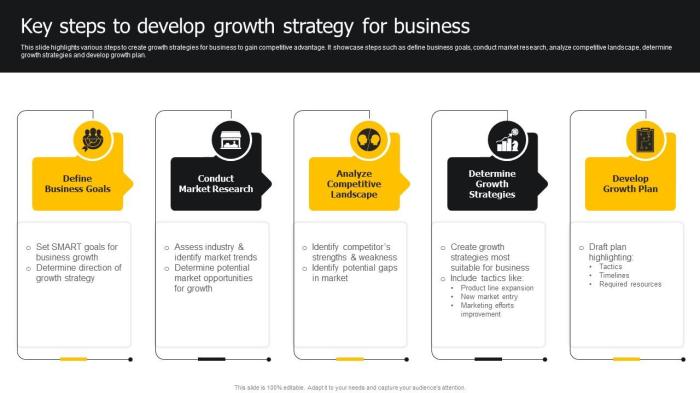
Starting with Business growth strategies, picture this: your business is a garden, and you’re holding the watering can of strategic planning, marketing magic, and financial finesse. The sun is shining, and with the right tactics, your profits could blossom like daisies! Let’s dig into how these strategies can turn your entrepreneurial weeds into a forest of success.

In this journey, we’ll uncover the treasure map of strategic planning, marketing maneuvers that leave your competitors in the dust, and financial management tips that aren’t just about counting pennies but making them multiply. Buckle up; it’s going to be a wild ride through the world of business growth!

Strategic Planning for Business Growth

In the grand theater of business, strategic planning is the script that sets the stage for growth, allowing companies to plot their course through the unpredictable seas of the market. It’s the GPS for navigating the twists and turns of competition, customer needs, and economic changes, ensuring businesses don’t just float aimlessly but sail toward success with style and purpose.

Strategic planning is essential for business growth because it provides direction and a framework for making informed decisions. Without a plan, businesses risk becoming like a ship without a rudder, drifting toward uncertainty. Models such as SWOT analysis, the Balanced Scorecard, and Porter’s Five Forces can help organizations assess their strengths, weaknesses, opportunities, and threats while aligning their activities with overall business goals.

Models of Strategic Planning for Growth

When it comes to steering a business toward growth, various strategic planning models can be like a buffet of options—each with its own unique flavor and benefits. Here are some popular models that businesses can feast on:

  • SWOT Analysis: This model allows businesses to identify their internal strengths and weaknesses, as well as external opportunities and threats. Picture it as a self-reflection exercise for companies, helping them to recognize their superpowers and kryptonite.
  • Balanced Scorecard: Developed by Kaplan and Norton, this model emphasizes measuring performance from multiple perspectives: financial, customer, internal processes, and learning and growth. It’s like having a 360-degree view of your business’s health.
  • Porter’s Five Forces: This framework analyzes the competitive environment, evaluating factors like the threat of new entrants and the bargaining power of suppliers. It’s akin to a strategic battle plan, helping businesses understand the battlefield before charging in.
  • PESTLE Analysis: Examining Political, Economic, Social, Technological, Legal, and Environmental factors, this model helps businesses grasp the macro-environmental factors affecting growth. Think of it as scouting the terrain before embarking on a journey.

Steps to Create a Strategic Plan Focused on Growth Objectives

Crafting a strategic plan to facilitate growth is akin to assembling a puzzle; each piece is crucial for forming the bigger picture. Here are detailed steps to create a strategic plan that targets growth objectives effectively:

1. Define Vision and Mission

Establish a clear vision statement that Artikels what you aspire to achieve and a mission statement that encapsulates your purpose. This will serve as the guiding star for all strategic decisions.

2. Conduct a SWOT Analysis

Perform a SWOT analysis to identify your organization’s strengths, weaknesses, opportunities, and threats. This step is vital for understanding where you stand and what potential avenues for growth exist.

3. Set Specific Goals

Define measurable and time-bound growth objectives. For instance, increasing market share by 10% over the next year or launching a new product line within six months. Use the SMART criteria—Specific, Measurable, Achievable, Relevant, Time-bound—as a guiding principle.

4. Develop Strategies

Brainstorm and Artikel strategies to achieve the defined goals. This could include market penetration strategies, new product development, or expanding into new markets. Choose a mix that balances risk and reward effectively.

5. Allocate Resources

Determine the resources needed to implement your strategies, including budget, personnel, and technology. This is like packing your bags for a road trip—you need to ensure you have everything for your journey.

6. Establish Key Performance Indicators (KPIs)

Set KPIs to measure progress toward your growth objectives. This will help in tracking success and making necessary adjustments along the way.

7. Review and Adjust

The business landscape is always changing, so regularly review your strategic plan and be ready to pivot as needed. Think of it as recalibrating your GPS when you hit a detour—staying on course is essential!

The best way to predict the future is to create it.

Marketing Strategies for Growth

Growth business strategies vector concept royalty

In the fast-paced world of business, marketing strategies are the secret sauce that can transform a humble startup into a colossal enterprise – like turning a potato into a French fry empire! Successful marketing strategies can boost brand visibility, enhance customer engagement, and ultimately drive growth. It’s not just about shouting louder than the competition; it’s about creating a symphony that resonates with your target audience.

An effective marketing strategy combines creativity, data, and a sprinkle of humor to engage customers and keep them coming back for more. Digital marketing techniques, in particular, have become indispensable in today’s tech-savvy environment. Let’s dive into the digital deep end and explore how these strategies can elevate your business.

Digital Marketing Techniques for Enhanced Visibility

To stand out in the digital marketplace, businesses must adopt a multi-faceted approach to marketing that includes a variety of techniques. The following are essential components of a robust digital marketing plan that can significantly enhance your visibility online:

  • Search Engine Optimization (): Think of as the friendly assistant that helps your business stand out on Google. By optimizing your content with relevant s, you can boost your visibility and attract organic traffic. Remember, the first page of Google is like the VIP lounge – you want to be on that list!
  • Content Marketing: Crafting engaging and informative content is like hosting a never-ending party where everyone wants to be. Blogs, videos, podcasts, and infographics provide value to your audience, showcasing your expertise and keeping your brand top-of-mind.
  • Social Media Marketing: Social media platforms are the town squares of the digital age. Use them to share your stories, connect with customers, and build a community around your brand. Engaging posts, live videos, and even memes can create a buzz that drives traffic to your business.
  • Email Marketing: Email is like the postman who delivers goodies directly to your customers’ inboxes. With personalized campaigns and well-timed messages, you can keep your audience informed and encourage repeat business, transforming casual browsers into loyal customers.
  • Pay-Per-Click Advertising (PPC): Want to jump straight to the front of the line? PPC allows you to target specific audiences with ads that appear on search engines and social media. It’s like having a magical wand that makes your brand visible to those who are already interested in what you offer.

“Marketing is no longer about the stuff you make but about the stories you tell.” – Seth Godin

Companies like Dollar Shave Club have become household names through innovative marketing strategies. Their humorous video campaign showcased the convenience of their subscription service, going viral and driving massive growth. Similarly, Airbnb used user-generated content to build trust and authenticity, encouraging travelers to share their experiences and expand their reach exponentially. These examples illustrate that a dash of creativity and a sprinkle of humor can lead to remarkable growth in the marketplace.

Financial Management for Scaling Up

Business growth strategies

As a business embarks on the exhilarating journey of scaling up, financial management becomes the trusty compass guiding the way through uncharted waters. This section dives into the essential financial practices that can help a business grow sustainably, ensuring that the ship doesn’t sink under the weight of its own ambitions. Keeping a close eye on finances can mean the difference between thriving and merely surviving in the bustling marketplace.

Essential Financial Management Practices

Effective financial management during growth phases is akin to having a sturdy lifeboat on a choppy sea: it’s a lifesaver! Businesses must implement practices that monitor cash flow, control costs, and ensure investment in growth opportunities. Here are key practices that can be beneficial:

  • Cash Flow Forecasting: This involves predicting future financial liquidity by estimating incoming and outgoing cash. A good forecast helps prepare for lean months and seize growth opportunities, acting like a crystal ball for your finances.
  • Cost Control: Identifying and managing costs ensures that the business doesn’t unintentionally spend like a kid in a candy store. This means regularly reviewing expenses and finding ways to reduce them without sacrificing quality.
  • Financial Ratios Analysis: Understanding ratios like ROI (Return on Investment) and profit margins provides insights into financial health. It’s like having a financial GPS that keeps you on the right path.

Comparing Traditional and Modern Funding Options

When it comes to funding options, businesses find themselves at a buffet of choices, from traditional loans that require a suit and tie to modern crowdfunding platforms that feel like a friendly neighborhood bake sale. Each option has its own flavor and benefits. Here’s a comparison:

  • Traditional Funding: This includes bank loans and venture capital. While they provide substantial amounts, they often come with lengthy processes and collateral requirements. It’s like asking for a favor from your rich uncle with a side of paperwork.
  • Modern Funding: Crowdfunding, peer-to-peer lending, and equity crowdfunding are the new kids on the block. They allow businesses to raise smaller amounts from a larger number of people. This can also create a loyal customer base. It’s almost like organizing a community potluck instead of a formal dinner.

Budgeting Techniques for Growth Optimization

Budgeting during growth phases is crucial, as it ensures that resources are utilized efficiently and effectively. Imagine trying to build a skyscraper without a blueprint—chaos ensues! Here are some budgeting techniques that can optimize resources:

  • Zero-Based Budgeting: Every expense must be justified for each new period, as if starting from scratch. This technique prevents needless expenses from creeping in like uninvited guests at a party.
  • Flexible Budgeting: This allows adjustments based on changes in activity levels. It’s like wearing stretchy pants during the holidays—better equipped to handle unexpected feasts!
  • Percentage of Revenue Budgeting: Allocate certain percentages of revenue to various expenses, ensuring that as revenue grows, so does the budget for growth initiatives. This method keeps spending in check while still allowing for expansion, a bit like growing with grace!

“Effective financial management is not just about keeping the lights on; it’s about turning them into a disco ball for a fantastic growth party!”

Closing Notes

As we reach the end of our adventure through the jungle of Business growth strategies, remember that every giant redwood started as a tiny seed, nurtured by careful planning, clever marketing, and savvy financial moves. With the right tools in your backpack, you can cultivate your business garden into an unstoppable force of nature. Now go forth and make your business bloom!

Questions and Answers

What is the first step in strategic planning?

The first step is to define your business’s mission and vision, setting the foundation for your strategic goals.

How can marketing strategies differ for startups vs. established businesses?

Startups often focus on brand awareness and audience building, whereas established businesses may concentrate on customer retention and expanding market share.

What role does budgeting play in business growth?

Budgeting helps you allocate resources effectively, ensuring you have enough funds for growth initiatives while avoiding financial pitfalls.

Can small businesses use the same growth strategies as large corporations?

Yes, many strategies can be scaled down for small businesses, but the execution may differ based on resources and market reach.

How often should a business revisit its growth strategy?

A business should review its growth strategy at least annually or whenever there are significant market changes or internal shifts.

Entrepreneurship success Unlocking the Secrets to Triumph

Entrepreneurship success

Entrepreneurship success is like finding the secret recipe for grandma’s famous cookies—everyone wants to know it but only a few truly understand the ingredients! In a world where innovation is the name of the game, mastering the art of entrepreneurship can turn dreams into fortunes and ideas into empires. This thrilling journey isn’t just about having a great idea; it’s about mixing the right traits, strategies, and a sprinkle of resilience to whip up a potent success formula.

From the visionary Steve Jobs to the relentless Oprah Winfrey, successful entrepreneurs have reshaped industries and inspired generations. But what makes them tick? Is it sheer luck, or is there a method to this madness? Let’s dive into the essential traits, the hurdles, and the secret ninja moves that can help anyone navigate the wild waters of entrepreneurship with style and success.

Definition and Importance of Entrepreneurship Success

Entrepreneurship success can be defined as the achievement of goals set by an entrepreneur, which can include financial performance, growth, innovation, and overall impact on society. In today’s economy, where disruption is the new norm and creativity leads the way, understanding the significance of entrepreneurship success is crucial. It not only drives the economy but also inspires future generations to chase their dreams with a dash of determination and a sprinkle of innovation.

Remember, behind every billion-dollar idea is an entrepreneur who probably had to battle a few sleepless nights, a few hundred cups of coffee, and a plethora of “Are you sure this will work?” moments from friends and family.

Successful entrepreneurs like Steve Jobs, Elon Musk, and Oprah Winfrey have revolutionized their respective fields, demonstrating the vast impact that entrepreneurship can have on business innovation and societal progress. Jobs brought us the Apple revolution, Musk is leading us toward a multi-planetary existence (talk about reaching for the stars!), and Oprah has turned her life story into a billion-dollar brand, proving that success can be as diverse as the entrepreneurs themselves.

Their journeys are reminders that entrepreneurship is not just about making money; it’s about making a difference.

Key Indicators of Entrepreneurship Success

Understanding the key indicators that determine entrepreneurship success is essential for aspiring business owners. These indicators serve as a roadmap, guiding entrepreneurs toward sustainable growth and innovation. The following are some of the critical factors that can signal whether an entrepreneurial venture is on the right track:

  • Financial Performance: Revenue growth, profit margins, and overall financial health are vital signs of success. If your business resembles a bakery with all the dough rising, you’re likely on the right path!
  • Market Share: Gaining a competitive edge and increasing your share of the market indicates that customers prefer your product or service over others. Think of it as being the popular kid in school—everyone wants to sit at your lunch table!
  • Customer Satisfaction: Happy customers are the backbone of any successful business. Monitoring customer feedback and retention rates can help assess satisfaction levels. If customers are leaving rave reviews like they’re auditioning for a Broadway show about your business, you’re doing great!
  • Innovation: The ability to adapt, innovate, and introduce new products or services is crucial. If your business is constantly evolving and staying ahead of trends, you’re like the chameleon of the entrepreneurial world!
  • Social Impact: Successful entrepreneurs often create ventures that positively impact society. If your business not only profits but also contributes to community well-being, you’re a modern-day superhero in the business arena!

“Success is not just about what you accomplish in your life; it’s about what you inspire others to do!”

Factors Contributing to Entrepreneurship Success

Entrepreneurship success

Successful entrepreneurship is a thrilling rollercoaster ride filled with exhilarating highs, gut-wrenching lows, and the occasional loop-de-loop. Behind every successful entrepreneur lies a unique blend of traits, skills, and strategies that propels them forward, much like a well-placed caffeine shot on a Monday morning. Let’s dive into the essential elements that differentiate the entrepreneurial geniuses from those who still think “business casual” means wearing sweatpants to Zoom meetings.

Essential Traits and Skills of Successful Entrepreneurs

Successful entrepreneurs possess a distinctive arsenal of traits and skills that propel them toward their dreams. These attributes not only enable them to navigate challenges but also help them seize opportunities that others might overlook. Here are some key traits:

  • Resilience: The ability to bounce back from failures, akin to a rubber band—though hopefully less painful!
  • Innovation: A creative mindset that allows entrepreneurs to think outside the box—or in their case, create a whole new box!
  • Leadership: The knack for inspiring and guiding a team, even if it means convincing them that team-building exercises are fun.
  • Vision: The foresight to see potential where others see chaos, making them the optimistic weatherman predicting sunshine amidst cloudiness.
  • Adaptability: The ability to pivot and change direction swiftly, like a ninja dodging projectiles in a high-stakes video game.

Strategies and Methods Enhancing Entrepreneurial Success

Implementing effective strategies is crucial for entrepreneurs aiming to elevate their businesses. These methods can serve as a roadmap, guiding them toward greater success while preventing them from ending up lost in the entrepreneurial Bermuda Triangle. Below is a table outlining various strategies that can enhance entrepreneurial success:

Strategy Description
Market Research Understanding customer needs and market trends to tailor offerings.
Financial Management Keeping track of finances to ensure sustainability and growth.
Building a Strong Brand Creating a memorable identity that resonates with customers.
Continuous Learning Staying updated with industry trends and skills to remain competitive.
Effective Marketing Utilizing digital and traditional marketing strategies to reach target audiences.

Role of Networking and Mentorship in Achieving Business Goals

Networking and mentorship serve as the wind beneath the wings of entrepreneurial success, propelling individuals toward their goals. Engaging with other professionals can open doors to opportunities and insights that would otherwise remain locked. Networking creates a web of connections that can lead to partnerships, collaborations, and invaluable feedback. A mentor, on the other hand, offers wisdom from their own journey, providing guidance that can help entrepreneurs avoid pitfalls and accelerate their growth.

“Your network is your net worth.”

An entrepreneurial mantra that rings truer than a doorbell on pizza delivery night.

In summary, the combination of essential traits, strategic methods, and the power of networking and mentorship form the trifecta of entrepreneurial success. Each component works together, creating a synergy that transforms ambition into achievement, one quirky cup of coffee at a time.

Challenges and Solutions in Entrepreneurship

Entrepreneurship is like a roller coaster ride—filled with thrilling highs and terrifying lows, but ultimately a journey worth taking. Every entrepreneur, at some point, finds themselves facing challenges that can make them want to pull their hair out or, at the very least, consider a career in knitting. However, these challenges are not insurmountable, and with a sprinkle of creativity and truckloads of perseverance, they can be overcome.Common challenges include limited funding, market competition, and the constant need for innovation.

It’s like trying to juggle flaming swords while riding a unicycle on a tightrope made of spaghetti. Yet, there are practical solutions to these dilemmas that can help entrepreneurs maintain their balance and keep their sanity.

Common Challenges and Practical Solutions

The entrepreneurial journey is rife with obstacles, but recognizing them is the first step towards overcoming them. Here are some of the most common challenges along with practical solutions for navigating them:

1. Limited Funding

Most entrepreneurs start with more dreams than dollars. To combat this, consider bootstrapping, seeking angel investors, or launching crowdfunding campaigns. Just remember, if you choose the crowdfunding route, a catchy video is vital—no one wants to fund a business that looks like it was filmed on a potato.

2. Intense Competition

The marketplace can be a cutthroat arena where only the fiercest survive. To stand out, innovate! Offer unique value propositions that make you the go-to choice. And if all else fails, a well-timed meme can work wonders for brand recognition.

3. Lack of Experience

Most entrepreneurs are new to the game, and that can be daunting. Building a solid network of mentors can provide guidance and wisdom. After all, learning from someone who’s already been through the wringer is like having a GPS for your entrepreneurial journey.

4. Time Management

Balancing multiple responsibilities can feel like spinning plates. Implementing tools like project management software can help streamline tasks. It’s like having a personal assistant in your pocket—minus the awkward small talk.

5. Market Fluctuations

The market can be as unpredictable as a cat on catnip. Keeping abreast of trends and being willing to pivot is essential. Always have a Plan B—or better yet, a Plan C, D, and E, just in case you hit unforeseen bumps along the way.

“Resilience is the ability to bounce back from setbacks, and adaptability is the key to growth.”

In the realm of entrepreneurship, resilience and adaptability are not just buzzwords; they are essential qualities. Resilience allows entrepreneurs to recover from failures and disappointments, while adaptability enables them to pivot and innovate in response to changing market dynamics. Together, they create a powerful combination that can sustain businesses even in the most turbulent times.

Procedures for Overcoming Obstacles in Business Development

To cultivate resilience and adaptability, consider the following procedures aimed at overcoming obstacles:

Embrace Failure as a Teacher

Instead of viewing failure as a setback, treat it as a learning opportunity. Each misstep is a step towards mastery—a “whoops” moment turned into wisdom.

Set Realistic Goals

Break down long-term ambitions into manageable chunks. Like training for a marathon, it’s easier to run a few blocks at a time than to tackle the full distance all at once.

Seek Continuous Learning

Participate in workshops, online courses, or networking events. Knowledge is power, and in entrepreneurship, it’s also your best friend when facing challenges.

Build a Support System

Surround yourself with like-minded individuals who understand the entrepreneurial struggle. A good support network can provide motivation, insights, and the occasional pep talk.

Stay Flexible

The ability to pivot is crucial. If one strategy isn’t working, don’t be afraid to change course. Think of it as driving; if you miss a turn, recalibrate your GPS and keep going.

Celebrate Small Wins

Acknowledge and celebrate even the smallest achievements. They serve as reminders that progress is being made and help maintain morale during tough times.In conclusion, navigating the entrepreneurial journey is no walk in the park, but with the right mindset and strategies, challenges can become stepping stones to success. Remember, every setback is a setup for a comeback!

Closing Summary

Entrepreneurship success

In conclusion, the road to entrepreneurship success is paved with both challenges and triumphs, proving that it’s not just about the destination but the exhilarating ride itself! With passion, grit, and a dash of creativity, anyone can join the ranks of the successful. So grab your entrepreneurial cape, embrace the rollercoaster of business, and remember: every setback is just a setup for a comeback! Now go forth and conquer, you future business mogul!

Quick FAQs

What is the first step to achieving entrepreneurship success?

The first step is identifying your passion and finding a niche that aligns with it—this will fuel your journey and keep you motivated!

Do I need a formal education to be a successful entrepreneur?

Nope! While formal education can be beneficial, many successful entrepreneurs thrive on experience, creativity, and continuous learning.

How important is networking in entrepreneurship?

Networking is crucial! It’s like having a secret stash of allies who can provide support, advice, and even potential business opportunities.

What role does failure play in entrepreneurship?

Failure is like a loyal friend on your entrepreneurial journey—it teaches valuable lessons and often leads to future success!

Can anyone become a successful entrepreneur?

Absolutely! With determination, the right mindset, and a willingness to learn, anyone can achieve entrepreneurship success!