Welcome to the whimsical world of Small business ideas, where creativity meets opportunity and your wildest entrepreneurial dreams come to life! Picture this: a realm where you can turn your passion into profit without breaking the bank. From quirky home-based ventures that fit snugly in your PJs to niche markets that scream for attention, there’s a tiny business idea waiting just for you.
Buckle up, because we’re about to explore innovative concepts that won’t just fill your pockets but will also tickle your fancy!
In this journey, we’ll unveil unique and trending small business ideas that require minimal startup costs, offer a treasure trove of home-based services, and showcase successful tales from niche markets. Plus, we’ll equip you with essential steps to launch your dream business and sprinkle in some clever marketing strategies that will have your target audience saying, “Where have you been all my life?”
Innovative Small Business Ideas
In today’s entrepreneurial landscape, innovative small business ideas are sprouting like weeds in a well-watered garden. With minimal startup costs and the potential for high returns, these ventures are attracting aspiring entrepreneurs who wish to turn their dreams into reality while still wearing their pajamas. Let’s dive into some unique and trending ideas that not only require limited investment but also can be operated right from the comfort of your home.Home-based businesses have become increasingly popular, and for a good reason.
They offer flexibility, low overhead costs, and the freedom to create a work-life balance that enables you to occasionally binge-watch your favorite series between client calls. Here are some home-based business models that are taking the market by storm.
Home-Based Business Opportunities
The beauty of running a business from home is that the opportunities are as vast as your imagination! Here are some creative ideas that can turn your living room into a bustling headquarters:
- Virtual Assistant: In a world where everyone needs an extra set of hands, being a virtual assistant is like being a superhero in disguise. You can offer services ranging from managing emails to scheduling appointments, all while wearing your favorite fuzzy slippers.
- Online Tutoring: With the rise of remote learning, online tutoring has become a gold mine. If you’ve got the smarts and the patience of a saint, you can help students excel in subjects ranging from math to medieval history, all while sipping on your favorite mug of coffee.
- Handmade Crafts Store: If you can knit, craft, or create anything remotely artistic, platforms like Etsy are perfect for showcasing your talent. Think of it as a digital gallery where you can sell everything from homemade candles to quirky cat sweaters.
- Social Media Consultant: With businesses flocking to social media, if you’re the kind of person who can turn a like into a sale, then this is your calling. Help brands build their online presence while indulging in meme culture—talk about a win-win!
- Content Creation: If you have a flair for writing or can whip up engaging videos, content creation is your ticket to success. Share your knowledge or humor, and you could monetize your passion for storytelling from the comfort of your couch!
Each of these ideas requires little to no startup costs and can tap into a growing market of customers eager for unique services. For example, the handmade crafts market has seen a substantial rise, with sites like Etsy reporting millions of active sellers and buyers. With creativity and a pinch of determination, anyone can flourish in these niches, proving that you don’t need a corner office to make your mark.
Successful Small Businesses in Niche Markets
Niche markets are like the secret gardens of entrepreneurship—often overlooked but bursting with potential. Here’s a glimpse into some successful small businesses that have carved out their unique space in the market:
- Pet Waste Removal: Yes, you read that right! Businesses dedicated to cleaning up after pets have gained popularity, allowing pet owners to enjoy their furry companions without the mess. Who knew cleaning up poop could be a lucrative venture?
- Specialty Tea or Coffee Shops: With the rise of specialty beverages, small shops focusing on unique blends or ethically sourced products attract enthusiasts willing to pay for a delightful experience. It’s like Starbucks, but with soul!
- Subscription Boxes: From snacks to self-care, subscription boxes have taken off like a rocket. Curating unique products for niche audiences—like plant lovers or beauty aficionados—can result in a steady stream of income, all while you delight in the thrill of surprise.
- Eco-Friendly Products: Businesses that offer sustainable alternatives, such as reusable straws or biodegradable packaging, have captured the hearts of environmentally-conscious consumers. It’s not just a business; it’s a mission to save the planet, one product at a time!
The allure of these niche markets lies in their ability to connect with a specific audience, proving that you can be successful while doing what you love and making a positive impact. Remember, in the world of small business, creativity and passion are your greatest assets. So, put on your thinking caps and let the entrepreneurial adventures begin!
Steps to Launch a Small Business
Starting a small business is like embarking on a grand adventure—complete with treasure maps, dragons (a.k.a. competition), and, of course, the occasional misstep that leaves you wondering if you should have just stayed in bed. However, with the right steps, you can navigate through the wilderness of entrepreneurship and find your fortune. The journey begins with a solid foundation. Understanding the essential steps to take when starting a small business will not only prepare you for the challenges ahead but will also help you to avoid the dreaded “oops” moments.
Digging into this checklist will ensure you have all your bases covered and can march confidently into the world of small business ownership.
Essential Steps to Take When Starting a Small Business
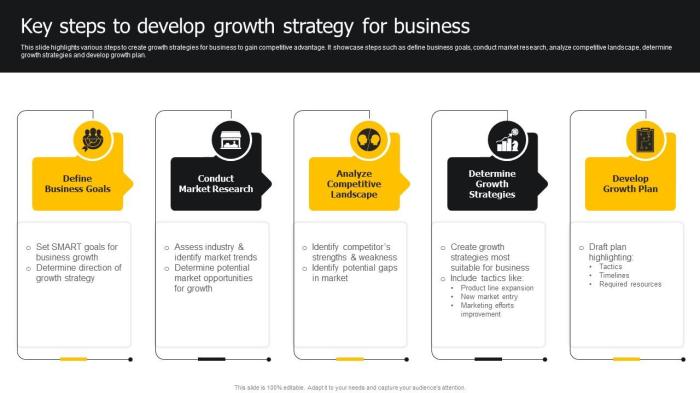
First things first, you need a trusty blueprint to guide you—so here are the essential steps you’ll want to keep in your back pocket:
- Identify Your Business Idea: Think of something that excites you! It could be baking gluten-free cupcakes or offering dog yoga classes—whatever floats your boat.
- Conduct Market Research: Make sure there’s a market for your idea. Ask potential customers if they want to do downward dog with their dogs.
- Create a Business Plan: Artikel your business goals, strategies, and how you plan to make sweet, sweet money.
- Choose a Business Structure: Decide if you want to be a sole proprietor, an LLC, or a corporation. Each has its own perks, like choosing your superhero alter ego!
- Register Your Business: Make it official and register with the necessary state and federal entities. You’ll want to be legit, like a business ninja.
- Obtain Necessary Permits: Depending on your business, you may need licenses or permits. Think of it as getting your business driver’s license.
- Set Up Your Finances: Open a business bank account, and consider hiring an accountant. Because keeping track of receipts can make you feel like you’re herding cats.
- Launch Your Marketing Strategy: Start spreading the word! Social media, flyers, or good old-fashioned word-of-mouth can help you get those first customers.
- Open Your Doors: It’s showtime! Invite people in, and make sure to have a grand opening that’ll leave them buzzing.
Legal Requirements and Necessary Permits for Small Businesses
Navigating the legal landscape can be more confusing than a cat in a room full of laser pointers, but don’t worry! Here’s a handy checklist to ensure you have all the necessary legal requirements and permits to operate your business without getting tangled in red tape:
“An ounce of prevention is worth a pound of cure.” – Benjamin Franklin
- Business License: Most businesses will require a basic operating license.
- Employer Identification Number (EIN): If you plan to hire employees, you’ll need this from the IRS.
- Sales Tax Permit: If your business sells goods, you may need to collect sales tax.
- Health and Safety Permits: If you’re in the food industry, get ready for health inspections!
- Zoning Permits: Ensure your business location is zoned for your type of operation.
- Professional Licenses: Certain professions, like real estate agents or barbers, require specific licenses.
Simple Business Plan for New Entrepreneurs
Creating a business plan is like writing a love letter to your future self. It should be detailed, passionate, and include all the things you love about your business. Here’s a simple structure to follow:
“Without a plan, you plan to fail.” – Benjamin Franklin (again, he knew what was up)
| Section | Description |
|---|---|
| Executive Summary | A brief overview of your business and what you aim to achieve. |
| Business Description | Details about your business, the market needs it meets, and your unique selling proposition. |
| Market Analysis | Insights into your industry, target market, and competitors. |
| Organization and Management | Your business structure, ownership, and management team. |
| Products or Services | What you’re selling and the benefits of your offerings. |
| Marketing Strategy | How you plan to attract and retain customers. |
| Funding Request | If seeking funding, Artikel your needs and potential future funding requirements. |
| Financial Projections | Forecasts for revenue, expenses, and profitability over the next few years. |
Follow these steps, and you’ll be well on your way to becoming the proud captain of your entrepreneurial ship, sailing smoothly through the vast oceans of small business!
Marketing Strategies for Small Businesses

In the bustling bazaar of entrepreneurship, marketing is like the flashy neon sign that beckons customers to your quaint little shop. For small businesses operating on a shoestring budget, the right marketing strategies can turn your humble establishment into the talk of the town without breaking the bank. Let’s dive into some delightful and cost-effective ways to spread the word about your stellar offerings.
Low-Budget Marketing Strategies
Small businesses need to think creatively when it comes to marketing without spending like a rock star. Here are several low-cost strategies that can help boost your visibility and attract customers:
- Networking Events: Attend local meet-ups, workshops, and networking events. Nothing beats good old-fashioned face-to-face interaction to build relationships and spread the word.
- Referral Programs: Encourage existing customers to bring their friends by offering discounts or freebies for every referral. It’s like a win-win sandwich with extra toppings!
- Email Marketing: Build your own list of customers and send them regular updates, promotions, and engaging content. It’s an ideal way to stay in touch without extra costs. Just remember to keep it interesting – no one wants a snooze-fest in their inbox!
- Local Partnerships: Collaborate with neighboring businesses for cross-promotions. Think of it as the buddy system where two businesses get to share the spotlight – and the foot traffic!
- Community Involvement: Get involved in your local community by sponsoring events or volunteering. You’ll be the talk of the town, and who doesn’t love a hero?
Digital Marketing Versus Traditional Marketing
When it comes to marketing, the age-old battle between digital marketing and traditional marketing is like comparing apples and oranges, or perhaps more accurately, tweets and flyers. Each has its own strengths, but for small businesses, digital marketing often edges out traditional methods.Digital marketing is generally more cost-effective and allows small businesses to reach a broader audience with targeted campaigns.
For instance, social media ads can be tailored to specific demographics, helping you find your ideal customers faster than you can say “.” On the other hand, traditional marketing methods like print ads can create tangible impressions but often come with a hefty price tag and less measurable results. In fact, according to the American Marketing Association, small businesses that leverage digital marketing strategies can expect to achieve up to three times the return on investment compared to traditional methods.
So, unless you’re a fan of paper cuts and mailing lists, digital is likely the way to go!
Leveraging Social Media Platforms
Social media is the magical playground where small businesses can connect directly with their audience. Here are some strategies to leverage these platforms effectively:
- Content Creation: Share engaging, relevant content that resonates with your audience. Whether it’s hilarious memes or informative posts, keep your content fresh and entertaining.
- Engagement: Respond to comments and messages promptly. Social media is a two-way street, so make sure to wave back at your followers!
- Influencer Collaborations: Connect with local influencers who can help promote your business. A shout-out from a popular figure can catapult your brand into the limelight.
- Contests and Giveaways: Host fun contests that encourage sharing and participation. This not only boosts engagement but spreads the word about your business like confetti at a parade.
- Consistency: Posting regularly keeps your business on the radar. Treat your social media like a pet – feed it often, and it will grow! Just don’t forget to clean up the mess every once in a while.
Summary
And there you have it, the grand tour of Small business ideas wrapped in a delightful bow! As we step away from this treasure trove of tips, remember that every big business starts small, sometimes even in the corner of your living room! Whether you’re ready to dive into the entrepreneurial deep end or just dipping your toes in the water, the possibilities are as endless as your imagination.
So gear up, get inspired, and may your small business journey be filled with joy, laughter, and a sprinkle of success!
FAQ Explained
What are some low-cost small business ideas?
Consider options like freelance services, online tutoring, or crafting handmade goods—all requiring minimal investment!
How do I know if my business idea is viable?
Conduct market research to assess demand, competition, and potential profitability to ensure your idea can thrive.
What legal requirements do I need to consider?
Licenses, permits, and local regulations are key—check with your local government for specifics!
How can I market my small business on a budget?
Utilize social media, engage in community events, and leverage word-of-mouth marketing to spread the word without breaking the bank.
What are some common mistakes to avoid when starting a small business?
Neglecting a solid business plan, underestimating costs, and failing to understand your audience can lead to hiccups—avoid them!